
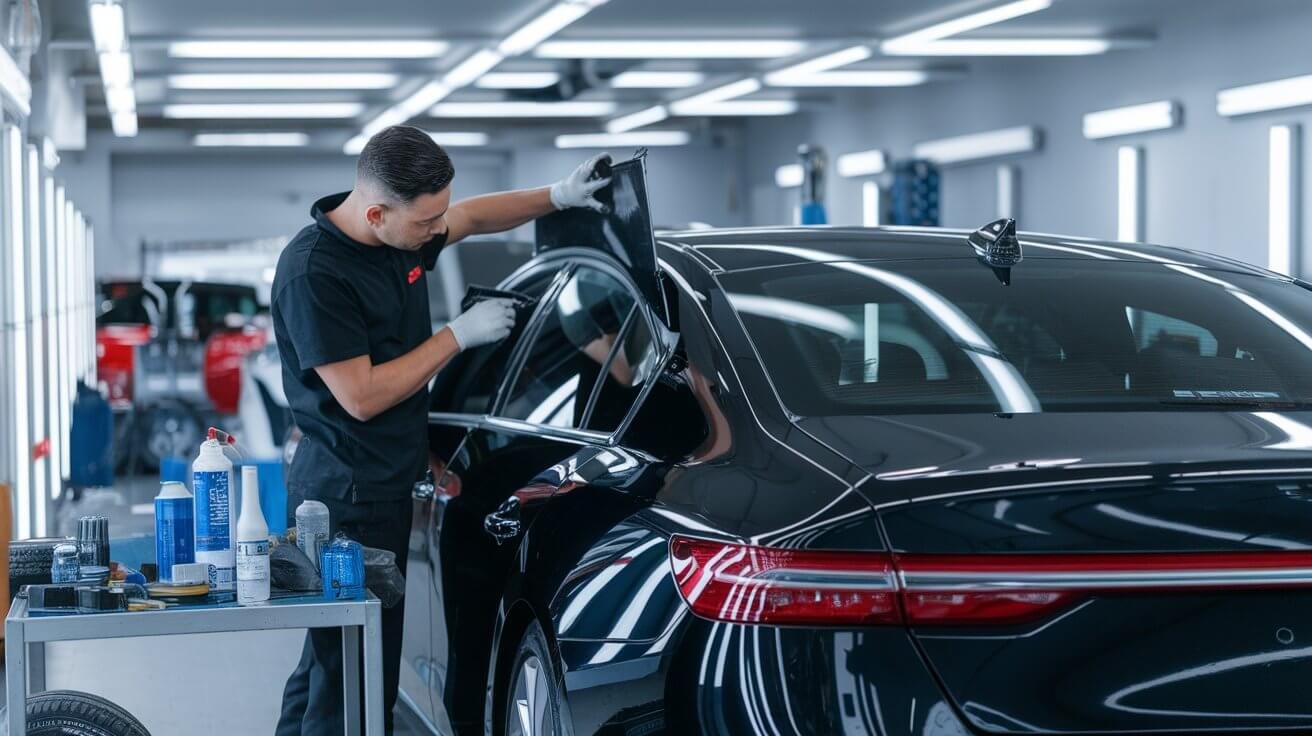
Have you ever questioned whether the glossy tint on your car is purely decorative or actually protective? Professional car tint testing methods ensure it does more than just look good; it blocks up to 99% of UV rays, reduces 90–95% of heat, reduces glare, and resists peeling and scratching. Technicians evaluate, assess, and certify performance using equipment such as spectrophotometers, infrared lights, abrasion machines, and environmental chambers, transforming your tint into a shield that has been scientifically shown to provide safety, comfort, and long-lasting durability.
What Are Car Tint Testing Methods?
Car tint testing methods are accurate assessment procedures intended to gauge a window tint’s performance in both laboratory and real-world settings. These techniques aid in identifying important elements, including visual clarity, glare reduction, UV protection, and heat rejection. Professionals can precisely determine how a tint film responds to sunlight, temperature, and environmental stress using sophisticated instruments such as spectrophotometers and infrared meters. The right car tint testing methods guarantee that the tint you select not only looks fantastic but also significantly improves interior comfort, visibility, and safety.
To confirm long-term durability and compliance with safety regulations, car tint testing methods are crucial, alongside aesthetics. The full performance value of each tint film, from its ability to maintain a consistent shade under intense sunlight to its resistance to fading and bubbling, can be determined by installers and manufacturers through thorough evaluations. When choosing window films for both design and practicality, consumers may use these car tint testing methods to make more informed, data-backed choices.
Visible Light Transmission (VLT) Test
One of the most significant and popular methods for assessing actual tint performance is the Visible Light Transmission (VLT) test. Visibility, comfort, and legal compliance are all directly impacted by this test, which measures the amount of visible light that travels through a tinted window. Car tint testing methods, such as the VLT test, provide accurate readings that ensure your tint meets safety and legal requirements. The VLT test helps verify how much brightness is filtered and how well your tint strikes a balance between style and functionality, regardless of whether you’re evaluating a metallic shade, carbon tint, or ceramic film.
A key tool for separating premium window films from inferior ones is the VLT test. Drivers often choose darker tints for privacy; however, visibility may be compromised if the wrong car tint testing methods are used, particularly at night. Technicians can assess tint performance in real time and make any adjustments by using sophisticated light transmission meters. This guarantees that each film provides the ideal balance of clarity, protection, and adherence to UAE tint laws.
How the VLT Test Works
The precise percentage of light that passes through the glass is measured using specialist equipment in the Visible Light Transmission test. Here are six comprehensive stages that demonstrate how to carry out this crucial step in car tint testing methods:
- Cleaning and Preparation: The glass surface is cleaned to remove any residue or dust before testing. This ensures precision, which is crucial for all car tint testing methods, as even small impurities can alter the light reading.
- Positioning the VLT Meter: On either side of the tinted glass is a VLT (light transmission) meter, also called a light transmission meter. To determine how much light gets through, it emits a controlled beam of light, a crucial part of car tint testing methods.
- Measurement of Light Transmission: The meter then determines the proportion of visible light transmitted, indicating the precise amount of natural light that enters your car. This outcome is crucial for assessing real-world clarity, just as with other car tint testing methods.
- Recording and Analysing Data: The readings are recorded for comparison with local laws and manufacturer requirements. All car tint testing methods must maintain standardised results for quality assurance, which is why consistent recording is essential.
- A Comparative Analysis of Legal Tint Limits: Tint rules in places like the United Arab Emirates usually require a minimum level of light visibility. One of the main advantages of using certified car tint testing methods is that the comparison ensures the tint complies with local laws.
- Final Verification and Report Production: A performance report displaying VLT percentages, light reflection, and transparency levels is produced when the data has been validated. To validate the tint using accepted car tint testing methods, professional garages frequently employ this report.
Ideal VLT Range for Everyday Use
A VLT rating of 30-50% provides the ideal balance of safety, privacy, and aesthetics for the majority of cars.
- 30% VLT: Perfect for drivers who want better privacy and UV protection without sacrificing daylight visibility.
- 40% VLT: The most widely used balance point, offering the best glare reduction and mild shade, which is the desired outcome of accurate car tint testing methods.
- 50% VLT: Provides superior interior visibility and maximum clarity for nighttime driving by letting in more light.
To ensure light transmission complies with both consumer preferences and traffic safety norms, each range is thoroughly examined using car tint testing methods.
Why the VLT Test Matters
Car tint testing methods, such as the VLT test, provide scientific evidence of performance, unlike cursory checks. A thoroughly examined movie guarantees:
- Improved nighttime visibility
- Diminished headlight glare
- Observance of RTA tint laws
- balanced temperature and brightness control in the cabin
Additionally, consistently using car tint testing methods helps identify problems such as uneven shading, light dispersion, or poor film adhesion, which can affect both operation and appearance.
All expert car tint testing methods are built on the results of the Visible Light Transmission test, which is more than just a legal requirement. It protects your comfort, safety, and style by precisely measuring how much light your tint lets through. To ensure dependability, clarity, and long-term satisfaction, all high-performance films undergo rigorous car tint testing, including the VLT test.
The best car tints don’t just shine; they work flawlessly in the light, so whether you’re upgrading your tint or confirming a current one, always rely on authorised car tint testing methods to assure genuine, measurable performance.
UV Protection Testing
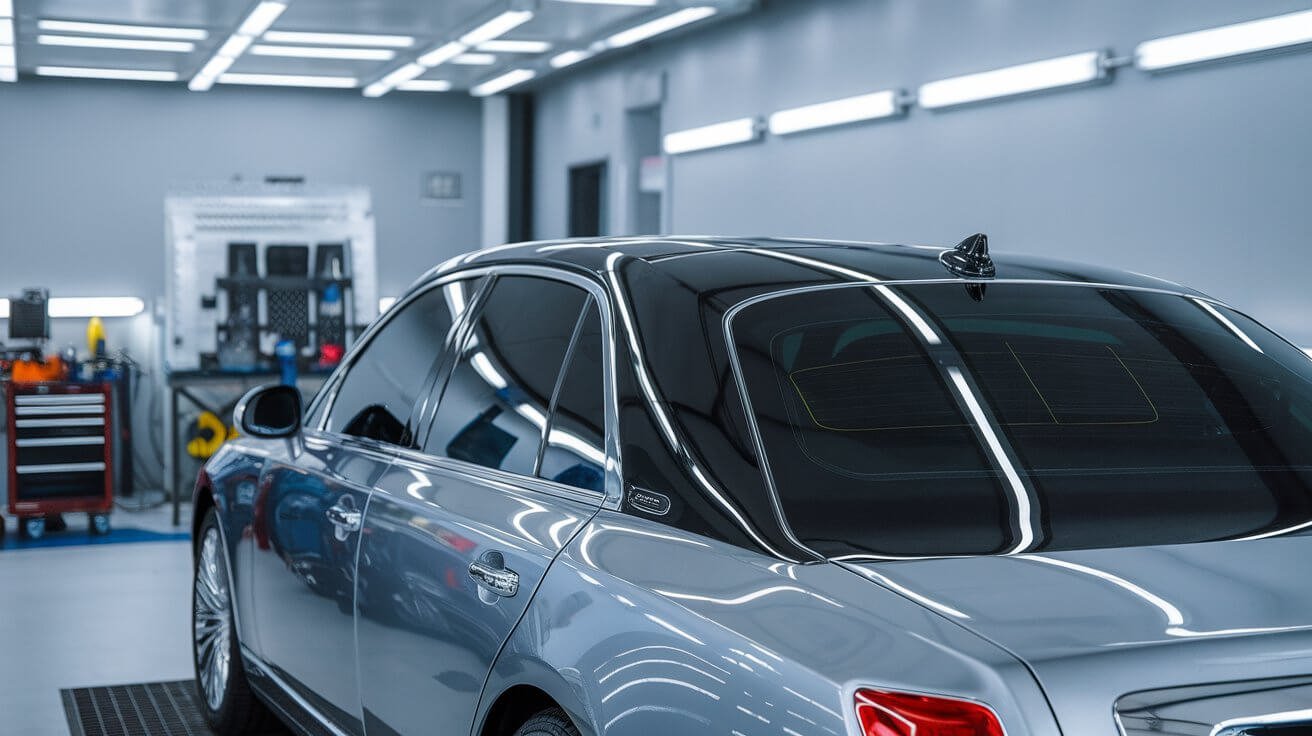
UV protection testing, one of the most important car tint testing methods, assesses how well a tint filters damaging UV rays. UV protection protects your health and the interior of your automobile, even though many car owners prioritise privacy or appearance. Over time, prolonged exposure to sunlight can result in skin damage, leather fading, and dashboard cracking. To ensure the tint not only darkens the windows but also protects against unseen UV hazards, expert garages employ accurate car tint testing methods, such as UV protection testing.
To confirm their ability to block UV rays, modern car tints, particularly those built with ceramic or nanolayered technologies, undergo rigorous testing. Although these films frequently claim up to 99% UV rejection, only precise UV testing can verify this performance. This test ensures your investment yields tangible results, such as longer-lasting interiors, safer driving, and better passenger protection.
How UV Protection Testing Works
Testing for UV protection is a methodical procedure that assesses a tint’s ability to block harmful UV radiation. This is one of the most accurate car tint testing methods in the automotive business, and the six steps are listed below:
- Getting Ready and Adjusting: Technicians clean the glass and calibrate the UV meter before testing. Especially when comparing various tint manufacturers or types, calibration guarantees that all readings in these car tint testing methods are consistent and trustworthy.
- The UV meter’s placement: To measure the amount of ultraviolet light that passes through the tinted glass, a UV meter is placed on both sides of the glass. This guarantees that each film is assessed uniformly under the same lighting circumstances as part of sophisticated car tint testing methods.
- UV Penetration Measurement: The apparatus measures the amount of UV light that penetrates the film when it is emitted at a controlled intensity. Since it establishes the tint’s real rejection %, this is the most important step in UV-related car tint testing methods.
- Comparing with Typical Benchmarks: Results are matched to automotive tint requirements after readings are taken. A high-quality film will exhibit a UV rejection rate of 95% to 99%, demonstrating its capacity to adequately protect interiors and occupants, according to these car tint testing methods.
- Long-Term UV Resistance Recording: Continuous UV light exposure for hours or days is a feature of extended car tint testing methods. This checks the film’s ability to withstand deterioration and to continue blocking UV rays effectively even after years of exposure to intense sunshine.
- Final Report on Certification and Quality: After the test is finished, a report is produced that summarises the durability levels, light transmission, and UV rejection percentages. Whether a film satisfies the highest performance and safety requirements for contemporary automobiles is determined by certified car tint testing methods.
Why UV Protection Testing Matters
- Prevents Interior Damage: A significant advantage demonstrated by car tint testing methods is that strong UV protection helps prevent dashboards, leather seats, and trim from cracking or fading.
- Protects Skin Health: Tested films reduce passenger exposure risks by blocking UV-A and UV-B rays, lowering the risk of long-term skin damage.
- Improves Driving Comfort: Especially during the hot summer months in the United Arab Emirates, lower UV penetration results in cooler cabin temperatures and increased overall comfort.
- Increases Tint Longevity: Films examined using the right car tint testing methods maintain their colour and clarity for longer, delaying the onset of deterioration.
- Supports Legal and Brand Transparency: Verified UV test results ensure consumers receive actual protection, not just claims made in advertisements.
- Enhances Energy Efficiency: UV-blocking films help cars remain efficient in hot weather by reducing strain on the air conditioner.
Although UV radiation is invisible, its effects are not. You may be sure that your tint does more than just look fantastic because it protects what matters most, thanks to precise car tint testing methods like UV protection testing. Premium tints that have been evaluated for UV performance deliver safer, cooler, and more durable results for your car and its occupants.
Ask for results from certified car tint testing methods, including UV rejection statistics, the next time you’re selecting a tint. Real performance is about the invisible barrier that keeps you safe and comfortable every day, not just the colour of your tint.
Infrared (IR) Heat Rejection Test
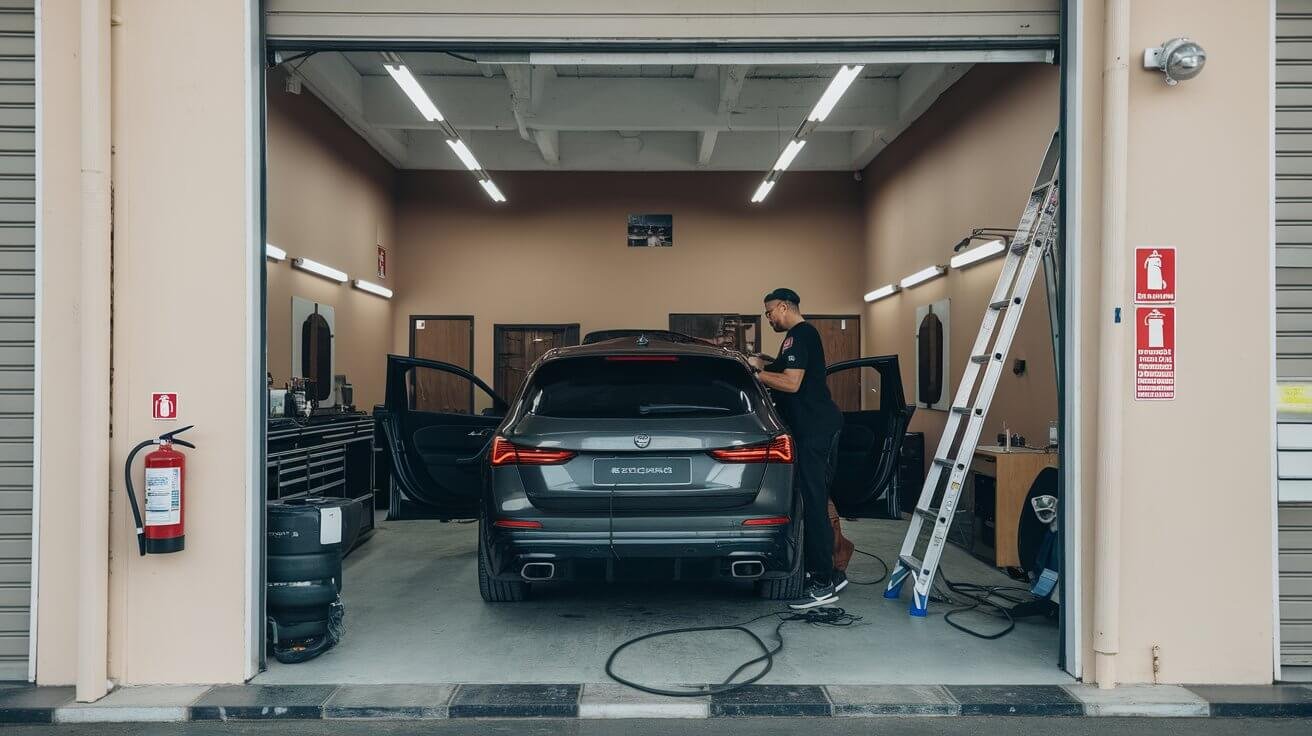
One of the most important car tint testing methods for assessing actual tint performance is the Infrared (IR) Heat Rejection Test. The main source of cabin heat is infrared radiation, even though UV protection and visible light are crucial. In addition to keeping your car cooler, a high-quality tint with strong infrared rejection also improves comfort, reduces the burden on the air conditioner, and protects the interior from heat-related damage. In particularly hot climates like the UAE, proper car tint testing methods ensure the tint you select delivers quantifiable cooling.
To ensure their ability to block infrared light, high-end films like ceramic or nanocarbon tints undergo rigorous car tint testing. Claims of reduced heat are merely marketing gimmicks in the absence of actual testing. Precise infrared testing ensures your tint reduces interior temperatures, provides practical protection, and promotes energy efficiency.
How the Infrared Heat Rejection Test Works
The amount of infrared heat that passes through tinted glass is measured precisely using the IR test. The following six essential procedures demonstrate why this test is a fundamental component of car tint testing methods:
- Calibration and Surface Preparation: To get precise readings, technicians calibrate the infrared sensors and clean the glass. Calibration is a routine practice in professional car tint testing methods and is necessary for accurate readings.
- The Infrared Heat Lamp’s Position: To imitate exposure to sunshine, a high-intensity infrared lamp is pointed at the tinted glass. By simulating actual circumstances inside your car, this setup is an essential part of car tint testing methods.
- Measurement of Temperature: The quantity of heat that passes through the tinted glass is measured with a temperature sensor or infrared meter. A crucial number in all car tint testing methods, this measurement establishes the film’s infrared rejection %.
- Analysing and Comparing Data: The measured IR rejection is contrasted with industry standards or manufacturer requirements. One major benefit of using professional car tint testing methods is that accurate evaluation ensures the film meets the brand’s claims.
- Prolonged Environmental Modelling: To assess the performance of IR rejection over time, advanced car tint testing methods subject films to numerous heat cycles. This stage demonstrates that even after years of exposure to intense sunshine, the tint retains its cooling effectiveness.
- Final Certification and Reporting: Results are recorded after testing is complete, showing the overall heat-reduction performance and the percentage of IR rejection. The efficacy of the tint is ensured for consumer confidence and regional compliance through certified car tint testing methods.
Why the IR Heat Rejection Test Matters
- Keeps Interiors Cooler: Comfort during lengthy trips is improved by high infrared rejection, which lowers cabin temperature.
- Reduces AC Load: Energy efficiency increases when less heat enters the car, reducing the need for air conditioning.
- Protects Interior Materials: Heat-resistant tints help prevent trim, seats, and dashboards from fading or cracking.
- Improves Driver Comfort: In hotter climates, cooler cabins reduce fatigue and enhance driving enjoyment.
- Verifies Tint Quality: Infrared testing confirms manufacturer claims and ensures the chosen film meets performance requirements.
- Supports Long-Term Performance: Repeated IR testing conducted in accordance with car tint testing methods ensures durability and ongoing heat rejection.
All professional car tint testing methods include the Infrared (IR) Heat Rejection Test as a key component. This test ensures your car stays cooler, safer, and more pleasant in the sun by precisely measuring how much heat a tint blocks. Only approved car tint testing methods can ensure that high-quality tints with demonstrated IR performance deliver real-world benefits.
Always ask for certified infrared test results when selecting a tint. Measurable cooling, energy economy, and sustained comfort in harsh environments are all components of true performance, not merely darkened windows.
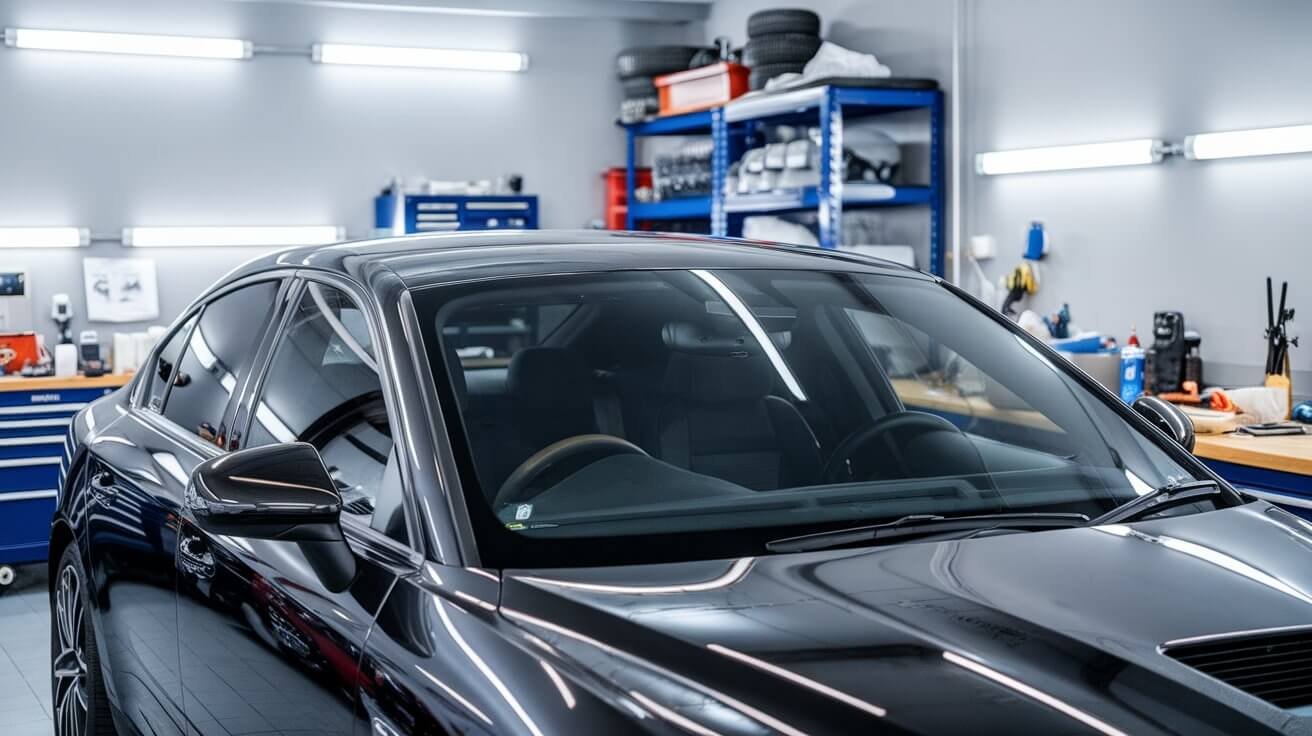
Glare Reduction Test
The glare-reduction test is one of the most important yet rarely used car-tint testing methods. Glare reduction directly impacts driving safety and comfort, while UV and infrared rejection protect your skin and keep your cabin cool. Overbearing glare from headlights, reflecting surfaces, or sunlight can strain the eyes, impair vision, and possibly increase the risk of an accident. Your film will effectively reduce glare while maintaining clarity, as verified by accurate car tint testing methods, giving drivers peace of mind day or night.
In areas with high levels of sunshine, such as the United Arab Emirates, glare reduction is particularly crucial because intense sunlight can make driving hazardous or uncomfortable. Professional garages may measure and verify how well your window tint filters reflected and scattered light by using recognised car tint testing methods. This ensures maximum performance and safer driving conditions.
How the Glare Reduction Test Works
The glare reduction test measures light scattering and reflection using specialist equipment. The following six steps illustrate why this is a crucial technique for testing automobile tints:
- Cleaning and Preparation: The glass surface is meticulously polished to prevent dust or smudges from interfering. Ensuring that the car tint testing methods produce accurate glare reduction readings requires clean glass.
- Positioning the Photometer: To measure both transmitted and reflected light, a specialised photometer is set up. Capturing how the tint affects glare from different perspectives is a vital step in car tint testing methods.
- Simulated Light: Controlled light sources mimic the glare of headlights and sunshine. To replicate actual driving conditions in a repeatable, quantifiable manner, this stage is a component of modern car tint testing methods.
- Measuring and Documenting Data: The photometer provides a clear indicator of tint performance by calculating the percentage of glare reduction. Accurate readings in all car tint testing methods ensure reliable findings.
- Evaluation in Contravention of Standards: Glare-reduction percentages are compared with legal requirements and manufacturer promises. Using approved car tint testing methods ensures your tint meets safety and performance requirements.
- Last Certification: Following testing, a report details the light-scattering, clarity, and glare-reduction properties. Certified car tint testing confirms that the film enhances driver safety and comfort.
Why Glare Reduction Testing Matters
- Lessens Eye Strain: During lengthy rides, proper glare control reduces weariness and discomfort.
- Enhances Night Visibility: Tried tints increase safety by reducing light dispersion from approaching headlights.
- Improves Daytime Comfort: Reduces glare from the sun, making driving more pleasurable.
- Verified car tint testing methods guarantee that the tint complies with traffic safety regulations.
- Prevents mishaps: Less glare makes it easier to focus, helping avoid accidents caused by abrupt exposure to light.
- Assures Consistent Performance: Long-term dependability is ensured through repeated glare testing using car tint testing methods.
Professional car tint testing methods include the glare reduction test as a crucial component. This test ensures your car stays safe, comfortable, and fun to drive by measuring how effectively a film reduces reflections and dispersed light.
To ensure you’re investing in more than just appearances, always select tints approved by accredited car tint testing methods. On any trip, day or night, a properly tested tint guarantees peace of mind, improves visibility, and protects your eyes.
Scratch Resistance and Adhesion Tests
While many car owners prioritise glare reduction, IR rejection, or UV protection, longevity is also a major factor in the true efficacy of tint. Scratches, bubbling, and peeling over time can destroy a window film’s look and performance. To ensure that every tint film retains clarity, lifespan, and structural integrity in in-world settings, professional garages use car tint testing methods that include scratch-resistance and adhesion tests. To ensure that a tint investment offers long-lasting quality rather than transient aesthetics, these checks are crucial.
Advanced instruments, including abrasion testers, adhesion meters, and environmental chambers, are used to evaluate high-performance tints, particularly ceramic and nanofiber coatings. The tint will continue to shield the inside while keeping a perfect finish thanks to these car tint testing methods, which confirm that films can endure heat, humidity, and normal use.
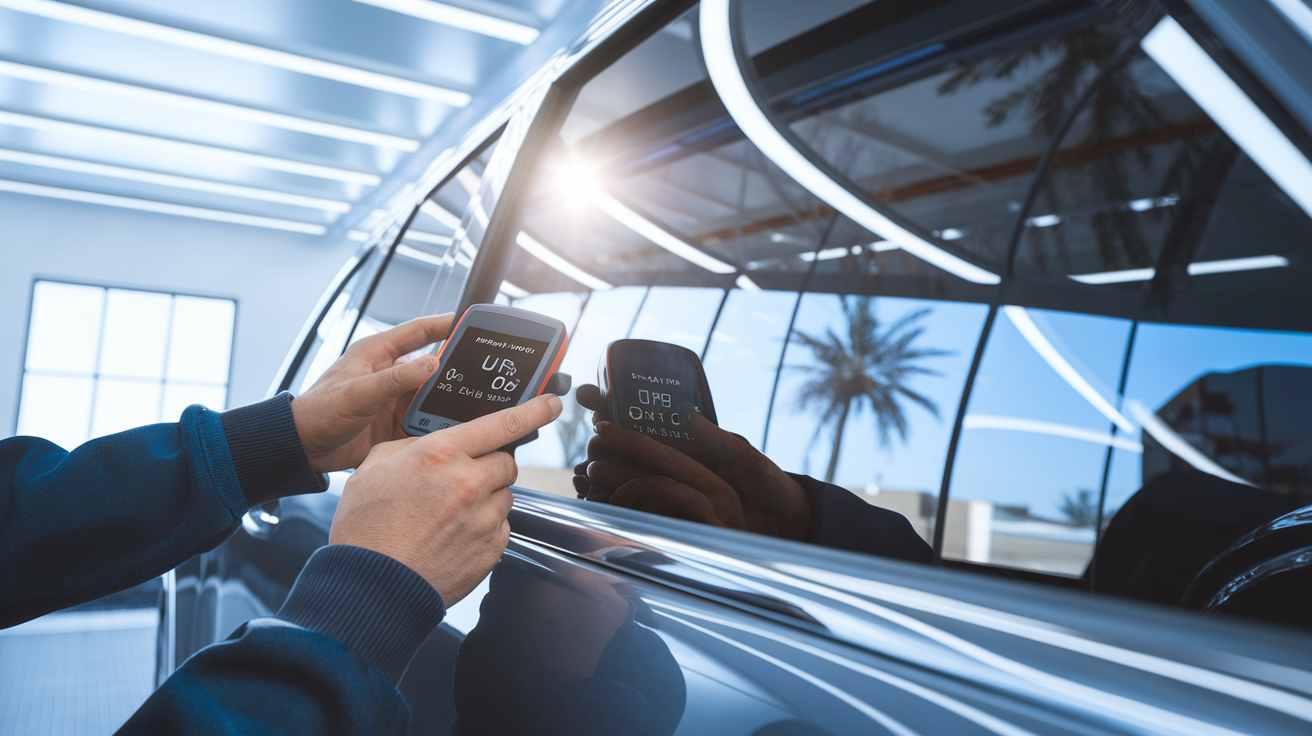
Test for Scratch Resistance
The scratch resistance test assesses a tint’s resistance to surface deterioration from dirt, cleaning agents, and normal exposure.
- Impact Simulation for Car Washes: Automatize a simulation that simulates the effects applied to tints. This test makes sure there aren’t any tiny blemishes on the film that could obscure its clarity.
- Resistance to Debris and Abrasion: Controlled abrasion machines are used to test films against sand, dust, and small impacts.
The outcome demonstrates whether the tint retains its appearance and smoothness over time.
Confirming the film’s resistance to normal wear and tear, these procedures are essential in car tint testing methods.
Test of Adhesion
Adhesion tests measure how well a tint film adheres to glass, particularly in harsh environments.
- Stress from Temperature and Humidity: In environmental chambers, films are exposed to cycles of heat and moisture. Testing procedures for car tints ensure the glue doesn’t deteriorate, preventing peeling or bubbling.
- Evaluation of Tape and Peel: When force is applied, specialised adhesion meters determine whether the film remains adhered. This demonstrates that prolonged exposure to the light and environment won’t affect performance.
In professional car tint testing, reliable adhesion is crucial to maintaining both functionality and aesthetics.
Why Scratch and Adhesion Tests Matter
- Long-Term Clarity: Films that pass these tests maintain their crystal-clear quality, free of haze and scratches.
- Verified car tint testing methods ensure that heat and humidity don’t weaken adhesion or cause bubbling or peeling.
- Preserves Performance: Over time, resilient films continue to offer protection against UV, IR, and glare.
- Protects Your Investment: Tested tints maintain your car’s value and prevent premature replacement.
Tools and Technologies
To assess durability, professional car tint testing methods use cutting-edge equipment:
- Abrasion test machines can replicate scratches caused by dirt and cleaning.
- Adhesion meters measure the strength of bonds under stress.
- Environmental Chambers: Simulate intense heat, moisture, and sunlight.
- Examine surface integrity and microscratches using microscopy tools.
Using these instruments, specialists can produce accurate, validated findings for adhesion and scratch-resistance testing, ensuring your tint remains dependable under all conditions.
According to expert car tint testing methods, adhesion and scratch resistance are essential. Even in difficult environments and with frequent use, a tint that passes these stringent tests maintains clarity, adherence, and overall performance for years. Selecting a tint that has been validated using these car tint testing methods ensures your investment is safeguarded and that it delivers both durability and style.
Real-World Environmental Testing
Although laboratory studies are crucial, they only reveal a portion of a tint’s actual performance. Real-world environmental testing, one of the most thorough methods for car tint testing, is used by professional garages to ensure longevity and effectiveness. These tests verify that a window film maintains its effectiveness, clarity, and protective qualities under challenging conditions by simulating extreme weather, humidity, and solar exposure. Environmental certification is essential for reliable tint performance in regions like the United Arab Emirates, where extreme heat, UV radiation, and desert dust are prevalent.
Films are subjected to simulated conditions that mimic years of wear in a fraction of the time, thanks to sophisticated car tint-testing methods. Car owners can rest easy knowing that their investment will survive thanks to this testing, which confirms that tints continue to filter UV rays, reduce heat, minimise glare, and resist damage.
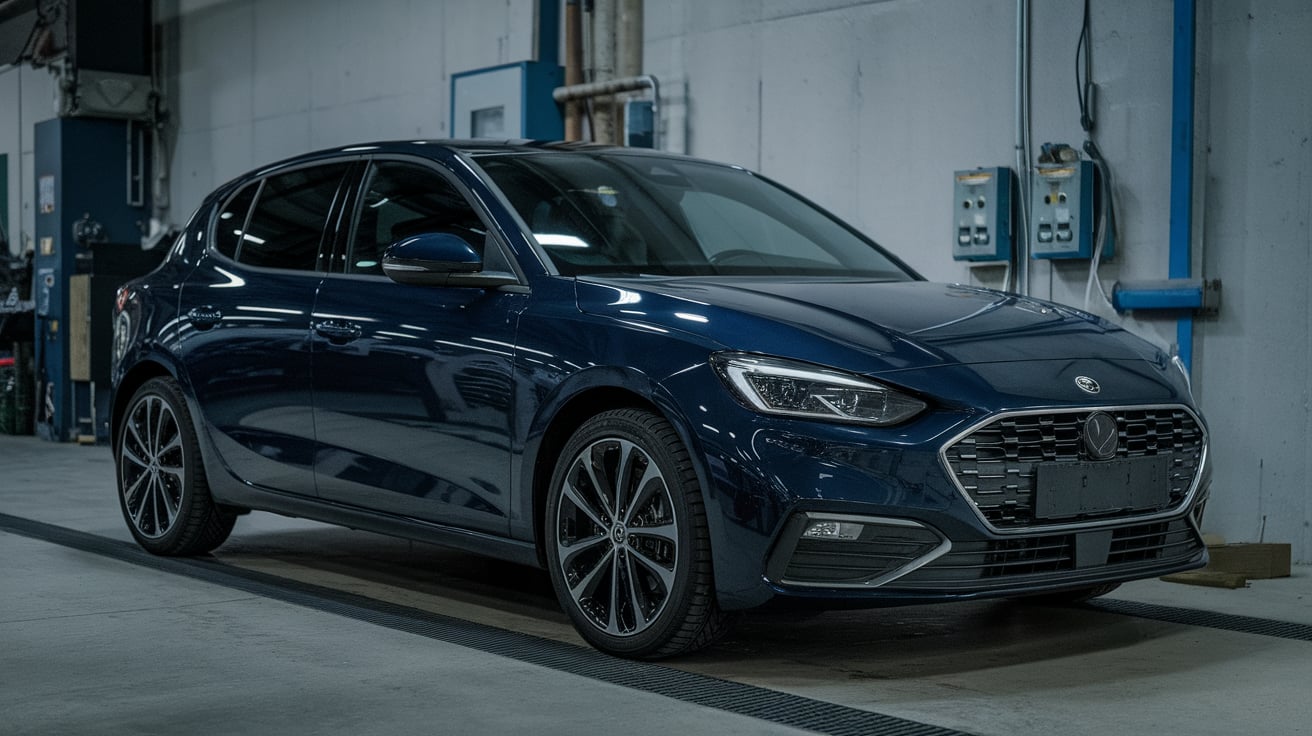
Warm Cycling
- Simulation of Extreme Heat: To simulate direct sunshine on automobile glass, films are heated to extremely high temperatures.
- Extreme Cold Simulation: To test shrinkage, contraction, and possible cracking, cold conditions are used.
The adherence and clarity of the film are maintained despite temperature changes thanks to these procedures in car tint testing.
Tests of Humidity
- Tropical Humidity Simulation: To assess for bubbling or adhesive failure, high-moisture environments mimic coastal circumstances.
- Desert Humidity Simulation: Tests using dry heat and low moisture verify that films are resistant to peeling and brittleness.
In particular, for areas with diverse climate extremes, humidity testing is a crucial component of car tint testing.
Tests for UV Weathering
- Long-Term Sunlight Exposure: To monitor colour stability and fading, films are exposed to controlled UV radiation.
- Testing for Intensity Variation: Varying UV intensities mimic daily and yearly variations in sun exposure.
Car tint testing methods include UV weathering tests to verify that tints retain their aesthetic appeal and protection over time.
Simulation of Dust and Abrasion
- Sand and particulate contact with the coloured glass simulates desert-dust exposure.
- Cleaning Wear Test: Assesses the film’s resistance to scratches after several washings.
A crucial component of car tint testing methods, this stage ensures that environmental wear won’t lessen the film’s efficacy.
Extended Testing for Heat Loads
- Internal Temperature Monitoring: Evaluates the cabin’s reaction to extended exposure to heat.
- Verify the film’s material integrity to ensure it doesn’t bubble, deform, or peel under prolonged heat stress.
Real-world comfort and safety, which are essential to approved car tint testing methods, are confirmed by this test.
Resistance to Chemicals and Pollution
- Simulation of Salt and Acid Rain: Evaluates response to contaminants and exposure to rain.
- Test for Cleaning Agents: Assesses resistance to polishes, detergents, and other chemicals.
Chemical resistance is incorporated into car tint testing methods to ensure performance is not compromised by regular washing or exposure to the environment.
The best way to verify any window tint is to test it in real-world conditions. These cutting-edge car tint testing methods ensure your film performs reliably in all situations by simulating high heat, cold, humidity, UV exposure, and environmental ageing. Selecting a tint validated by actual environmental testing ensures long-lasting protection, comfort, and aesthetic appeal. This way, even in the most intense UAE sun, your automobile will stay cool, fashionable, and safe.
Tools and Techniques Used for Car Tinting Methods
Every high-performance automobile tint is the result of a combination of experienced procedures and precise tools that guarantee dependability in the real world. Professional garages and tint producers use advanced car tint testing methods to monitor, assess, and confirm performance rather than relying on intuition. Using this equipment, testing is transformed from a straightforward examination into a scientific procedure, providing car owners with assurance that their tint will perform as intended under UV, glare, and heat conditions. Consider it a “quality passport” for your tint before it ever leaves the garage.
A film is put through a rigorous evaluation process, employing state-of-the-art equipment designed for specific areas of tint performance, as soon as it enters the workshop. Each tool helps to provide long-term durability, glare reduction, scratch resistance, IR heat rejection, and UV protection. Together, these car tint testing methods ensure the film is tested, certified, and prepared to function in any environment, while also being aesthetically pleasing.
Spectrophotometers | Accurate Measurements of Light
- UV, VLT, and IR Analysis: Spectrophotometers precisely assess visible light transmission, infrared heat blocking, and ultraviolet rejection.
- Performance Verification: These measurements ensure that the tint meets legal requirements and manufacturer specifications.
- Professional car tint testing methods rely on spectrophotometers, which provide data that cannot be visually assessed or estimated.
Thermometers and Infrared Lamps | Testing for Heat Rejection
- Simulated Sunlight Exposure: To test how well the film cools the car, infrared lamps simulate the sun’s heat on a window.
- Accurate Temperature Monitoring: To determine the actual cooling efficiency, infrared thermometers measure the heat that passes through the tint.
- To check IR rejection ability under controlled yet realistic settings, these pieces of equipment are crucial for car tint testing methods.
Durability Testing for Abrasion Resistance Machines
- Scratch and Debris Simulation: Abrasion machines simulate daily touch, dust, and wear from car washes.
- Long-Term Surface Integrity Check: Experiments verify that the film keeps its smoothness and clarity over time.
- Technicians ensure the tint can withstand daily abrasion without affecting performance by integrating these tools into car tint testing methods.
Environmental Chambers | Simulating Real-World Conditions
- Heat, Cold, and Humidity Cycles: To test adhesion and performance, films are exposed to extreme temperatures and moisture in chambers.
- UV Weathering: To track colour stability and material lifetime, prolonged exposure to sunlight is simulated.
- Environmental chambers are an essential component of car tint testing methods, ensuring that films continue to perform effectively in arid, hot environments such as the UAE.
The physics underlying every high-quality tint is what makes it so magical, not the film’s darkness. Professionals ensure your tint works as promised by employing sophisticated car tint-testing methods, including spectrophotometers, infrared lamps, abrasion devices, and environmental chambers. Choosing a tint validated with these techniques entails investing in performance that has been demonstrated, long-lasting durability, and complete assurance on every drive.
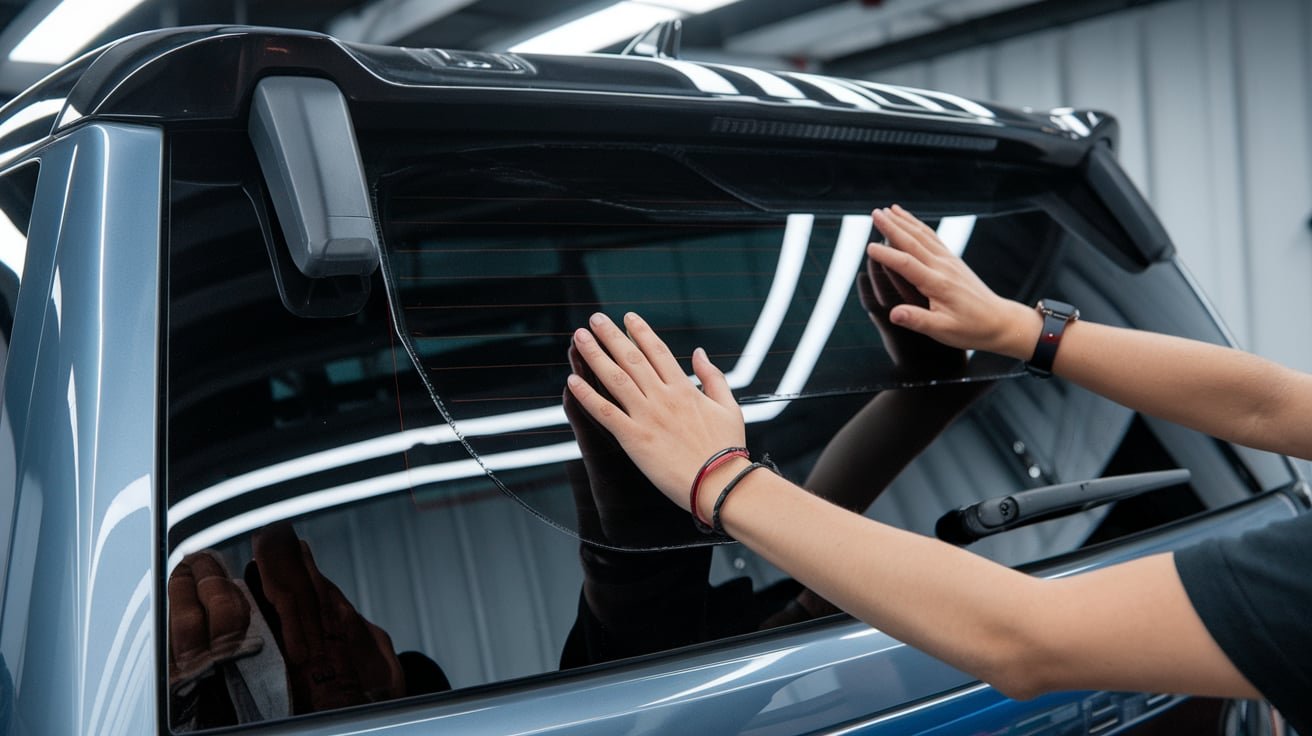
Ensure Lasting Comfort and Safety with Tint Testing
The tint on your automobile is an important part of comfort, safety, and long-term protection; it’s not just a cosmetic update. You can ensure that your window films deliver quantifiable benefits, such as glare reduction, scratch resistance, UV blocking, and IR heat rejection, by using car tint testing methods. You can drive with confidence thanks to reliable car tint testing methods that verify your tint works as promised.
Pick a garage that offers verified tint performance and employs cutting-edge car tint-testing methods when organising a tint upgrade. This ensures that your film is not only fashionable but also scientifically proven to be safe, durable, and heat-resistant. In addition to safeguarding the interior and passengers, proper testing ensures your car stays cooler, safer, and more pleasant in intense sunshine.
Use car tint testing methods to experience real performance, supported by facts and expert certification, rather than relying on educated guesses or unreliable videos. Every shade, layer, and feature is guaranteed to meet the highest standards of protection and longevity thanks to verified, certified tint performance.
Update Your Tint Right Now
Completely tested and certified tint films can improve the comfort, style, and safety of your vehicle. Your car needs more than just a shine; it requires proven protection. Select a competent garage that delivers certified tint performance and ensures performance through trustworthy car tint testing methods.