
Offices · Shops · Showrooms
Commercial Sun Control Window Film in Dubai
Make the space beside your windows more comfortable. Choose architectural film around the heat, screen glare and daylight your business actually needs.
Car Tinting Heroes helps you compare the finish, glass suitability and fitting requirements before you commit. Start with a photo of the affected windows and the time of day the sunlight causes a problem.
Dubai commercial glazing · Product and glass checks before selection
Planning film for a villa or apartment? Explore residential window film options for living spaces.
Plan the Budget
What does sun control film cost?
AED 60–150per m² planning allowance
Use this range for selected reflective-film finishes on straightforward commercial windows with standard fitting. It is a starting allowance, subject to the chosen product and glass assessment.
Ask for a Measured QuotePrice the product and the fitting together
- Reflective options
- A useful starting point when stronger shading and a changed exterior appearance are acceptable.
- High daylight, selective films
- Ask for a product-specific quote. A light appearance alone does not identify the film's heat-control performance or price.
- Quote details to confirm
- Exact film name, measured pane area, fitting side, installation total and VAT treatment.
Old-film removal, adhesive cleanup, difficult access, lifting equipment and out-of-hours work can change the total. Confirm any minimum charge or survey fee before booking.
For planning A 10 m² area at the reflective-film allowance gives AED 600–1,500 before changes to the work. This is an arithmetic example, not a completed-job quotation.
Select the Finish
Keep the daylight you need
View samples on your own glass. Check the room from inside and the façade from outside before choosing a shade for the whole frontage.

Light and spectrally selective
Consider this direction when daylight, a clear view and the original appearance matter. Compare the exact product's visible light transmission and whole-glazing solar performance. A very light film may leave more visible glare than a darker alternative.
Neutral solar control
A tinted appearance can balance daylight with more shading for workstations and customer seating. Test a sample at the hour glare is most noticeable. Check colour perception where merchandise or design work needs a consistent view.
Reflective solar control
Explore this when stronger visible shading and reflection suit the building. Check the façade approval and both interior and exterior reflectance. Reflective film does not provide reliable privacy at night when the room is brighter than outdoors.
Read the Specification
The glass changes the result
Ask for figures for the complete glass-and-film combination. A film percentage without its glazing basis is an incomplete comparison.
| Glass with the same film | Visible light transmission | Total solar energy rejected | Solar heat gain coefficient |
|---|---|---|---|
| Single clear glass | 70% | 50% | 0.50 |
| Double clear glass | 63% | 42% | 0.58 |
Source 3M Prestige 70 product bulletin, April 2026 (PDF). Published typical values illustrate the glazing difference. These are not measurements from our installation or a promise of product availability.
- Daylight
- VLT describes visible light passing through the glazing.
- Solar Gain
- TSER describes rejected solar energy. SHGC describes admitted solar heat.
- Comparison Basis
- Use the same glazing and test method when comparing quoted figures.
What this means for your business
Set the target around the affected area. Reducing solar load through a window can improve conditions beside that window, while cooling performance also depends on the façade, shading, occupancy and air conditioning. A product's solar rejection percentage is not a predicted percentage saving on your electricity bill.
For screen glare, compare visible shading and reflections in the actual room. UV filtering can reduce one contributor to fading, but visible light and heat also matter. Keep valuable displays protected and rotate stock where appropriate.
Before a Film Is Chosen
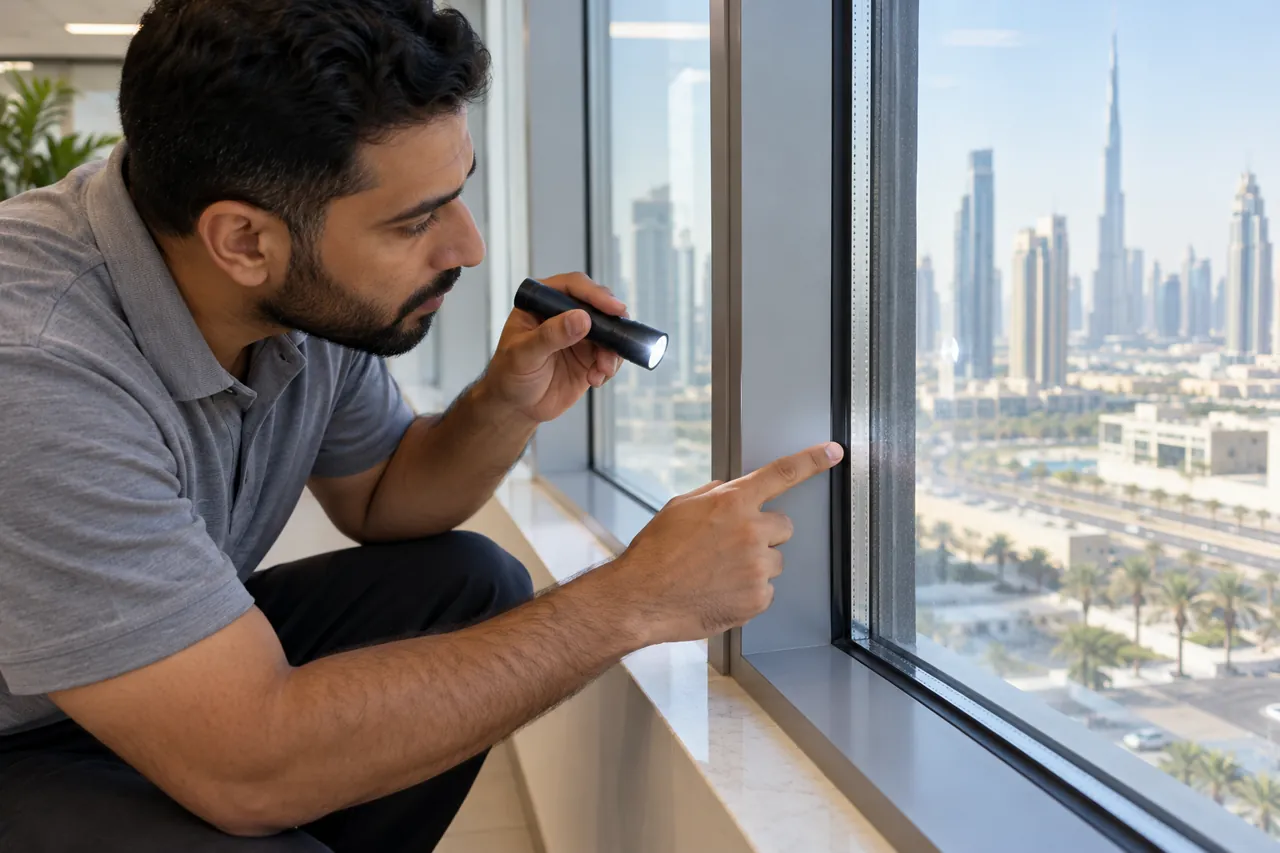
Check the pane, frame and sun exposure
Architectural film needs to suit the existing glazing. Heat absorption, partial shade and glass condition influence the choice. A darker sample is not automatically the right answer for a hot window.
Identify the glazing
Confirm single or double glazing, tinted or laminated glass and any low-emissivity coating. Keep the glazing specification or unit information available if you have it.
Inspect the setting
Check damaged edges, cracks, frame condition, seals, blinds close to the glass and shading from nearby structures. Existing film and adhesive also need assessment.
Match the approved application
Confirm the exact film, intended fitting side and the manufacturer's suitability guidance. Interior and exterior versions have different application requirements. Request any necessary technical approval before fitting.
Technical reference 3M Glass Checklist (PDF) identifies conditions requiring additional review. Its US warranty provisions do not establish UAE coverage.
Fit Around Your Business
Agree the work before installation day
A clear fitting plan keeps the room, access arrangements and expected finish in the same conversation as the product.
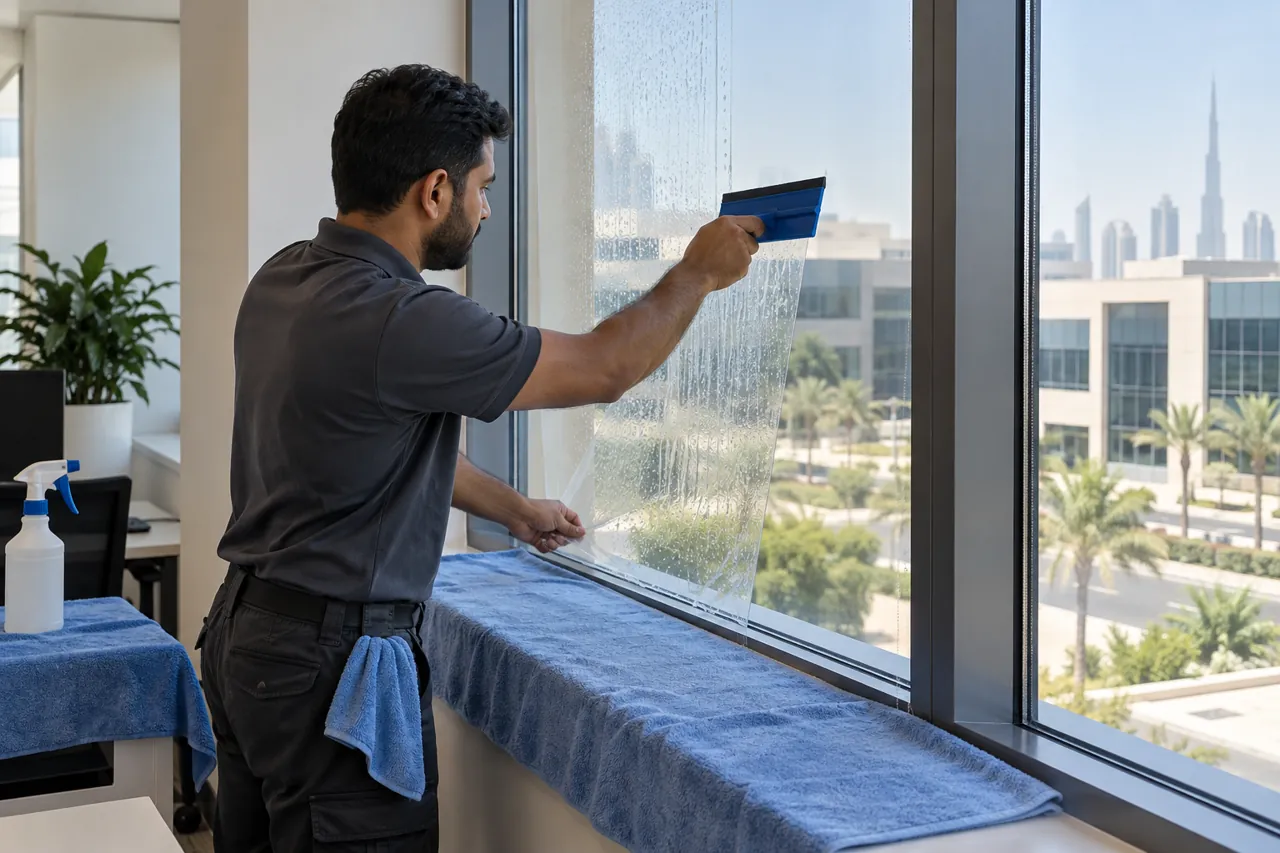
Measure and confirm
Agree the selected panes, sample appearance, fitting side and written quotation. Check landlord or facilities requirements for façade changes and contractor access. Confirm available working hours and any equipment needed.
Prepare and fit
Arrange access to the glass and protect nearby furniture and equipment. Preparation includes checking the surface, cleaning and handling any agreed old-film removal before the film is cut and fitted.
Inspect and hand over
Review the installed edges and finish, then receive product-specific drying and cleaning guidance. Confirm the written warranty issuer, term and exclusions, including whether glass or sealed-unit failure has separate cover.
Give the film time to dry
Temporary moisture haze can occur after wet application. Drying depends on the product, glazing and conditions, so follow the installation handover rather than a universal number of days. Use the manufacturer's approved non-abrasive cleaning method after the advised waiting period. Report persistent defects or lifting edges for assessment.
Before You Book
Questions about your windows
For privacy, branding or safety requirements alongside solar control, see the wider commercial window film range.
Will a clear film reduce heat?
Some light, spectrally selective films reduce solar heat gain while retaining daylight. Compare a named product's TSER or SHGC on your glass type. Clarity alone does not establish performance.
Can you film existing double glazing?
Some film and double-glazing combinations are suitable, subject to assessment. The unit build, coatings, condition and shading need checking against the selected film's guidance before approval.
Will the room become too dark?
The result depends on the film's visible light transmission, the original glass and the room. View a sample at the workstations or displays that matter. Stronger visible glare reduction can mean accepting less daylight.
Can solar film replace blinds for privacy?
Reflective solar film depends on the light difference between inside and outside. Keep blinds or another appropriate privacy treatment for night-time use. Ask about a dedicated privacy finish if views through the glass must be obscured throughout the day.
How long will fitting disrupt the business?
The pane count, access, preparation and removal work determine the programme. Send window photos and approximate dimensions so the fitting requirements and working hours can be discussed before a date is agreed.
What should the warranty include?
Request the exact product, warranty provider, duration, installation coverage and exclusions in writing. Film coverage and glass or sealed-unit coverage are separate questions. Confirm the terms that apply to your UAE installation.
Start With Your Windows
Find the right balance of heat control and daylight
Send a window photo, approximate dimensions and when the glare or heat is worst. Mention the building location and any access restrictions so the next step can be planned properly.