Skip to content
Villas, apartments and townhouses

Plan Home Window Film Installation in Dubai

Plan which rooms to treat, what the glazing survey needs to check and how fitting will work around your household. Use this page to prepare the window list, access and installation arrangements.

For film categories, planning prices and your complete quotation, start with our residential window film service. For day-and-night privacy trade-offs, use the home privacy film selector.

  • Selected rooms or whole-home plans
  • Glass suitability before fitting
  • Agree the material and price first
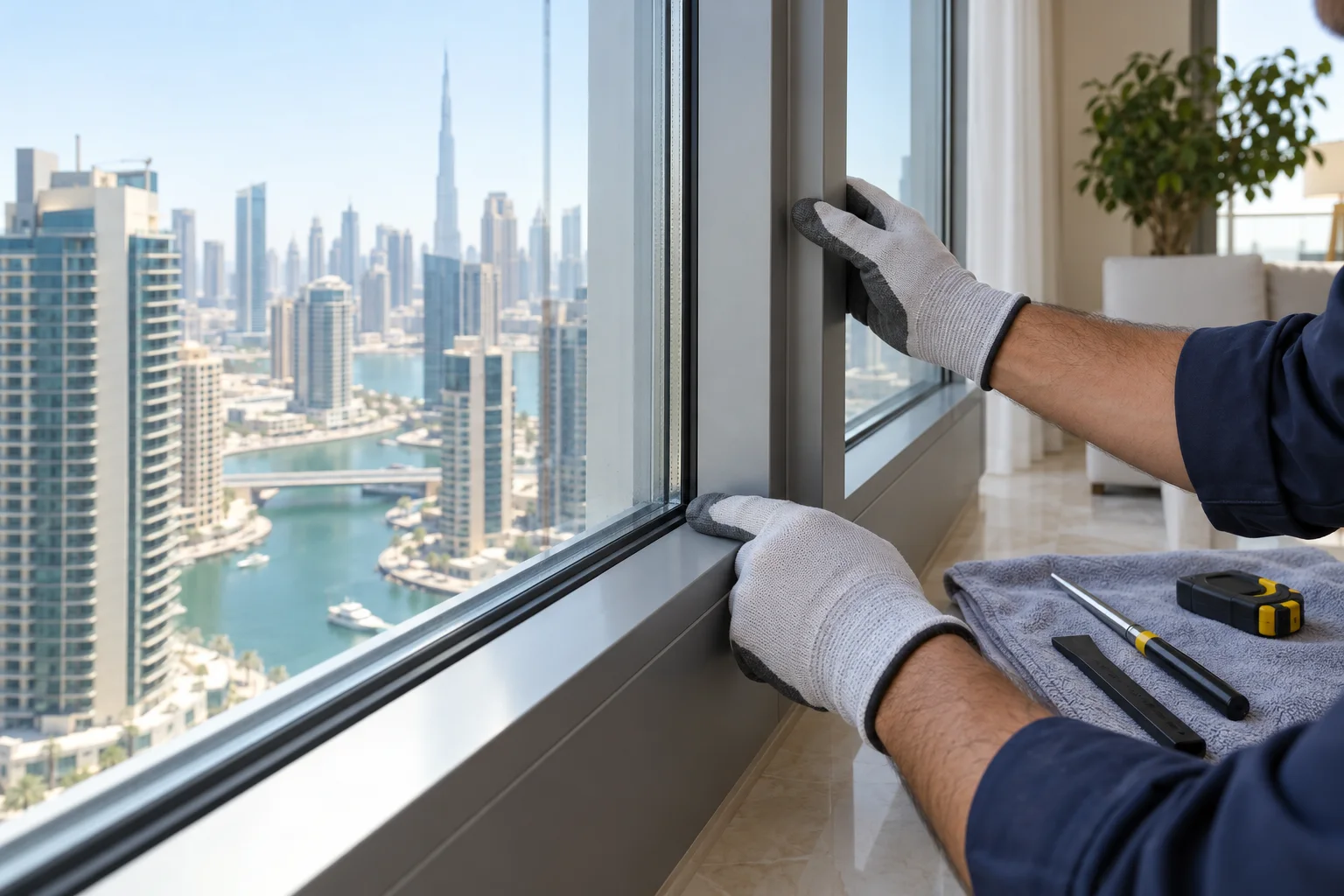
Technician reviewing a residential window and its frame before film selection
Glass, frames and intended use are reviewed before selecting a film.
Start with the problem

What would make your room better?

You do not need the same film on every window. Tell us when the problem occurs and which view you want to keep. That helps narrow the choice before you spend on unnecessary coverage.

A hot living room

Enjoy the sunny side of home

If the seating area becomes uncomfortable in direct sun, consider a compatible solar-control film. Compare daylight, colour and external reflection as well as heat performance. A film should suit the room you use, not just look dark on a sample.

Tell us the time of day the room feels hottest and whether the window is already shaded by a balcony, canopy or neighbouring building.

Glare on a screen

Make your screen easier to see

For a home office or television area, the concern may be brightness rather than the entire room temperature. We can discuss glare-reducing options alongside how much daylight you want to retain.

A photograph from the normal seating position is useful. Include the window and screen so the conversation starts with the actual viewing angle.

An overlooked room

Feel more private at home

Privacy needs a separate decision. A bathroom may need an obscured view throughout the day, while a living room may need daytime screening with an outward view.

Identify whether people can see in from a pavement, neighbouring balcony or shared corridor. The location and lighting matter as much as the film finish.

A price for your actual glass

Get a quote you can compare

Home window tinting is quoted by the selected film, measured glass area and installation requirements. A room count alone cannot give a reliable total. Two bedrooms may have very different pane sizes, access and existing film.

Send approximate dimensions for an initial discussion. The written quotation should identify the exact material, treated panes and fitted total in AED, with VAT treatment clearly stated.

YOUR INSTALLATION QUOTEClear before you commit

Know what is included

Film and quantity
Product name, finish and measured area, with the unit shown as m² or ft².
Installation
Preparation, cutting, application and normal cleanup for the agreed panes.
Separate work
Old-film removal, adhesive cleanup, unusual access or specialist equipment where needed.
Final total
VAT treatment, any minimum job charge, warranty terms and the agreed appointment arrangements.

No exact sizes yet? Start with photos and your Dubai area.

Example pane1.2 × 1.5 m1.8 m² of glass

Width in metres × height in metres gives the area of one pane. Add the panes you want treated. A 1.2 m × 1.5 m pane is 1.8 m². This helps prepare an enquiry but is not a final production measurement or a price calculation.

Prepare for the survey

Give every pane an installation brief

Use the residential window film service to compare film families and planning prices. Here, prepare the information needed to turn your choice into an installation plan.

Record before the visitWhat to includeWhat needs checking
Pane listRoom, pane count, approximate width and height with unitsFinal fitting dimensions and intended coverage
Glazing informationAny glass schedule, coatings, existing film or previous breakageQualified film and glass compatibility review before approval
Room useSun and shade, nearby blinds and normal lighting after darkSample appearance and privacy from relevant sightlines
Access arrangementsFloor level, high panes, furniture and management permissionsSafe access, protection, equipment and any separate charges

Keep the same pane list with your quotation so product, fitting side, removal, access and total payable refer to the same work. Request a home film survey and quote.

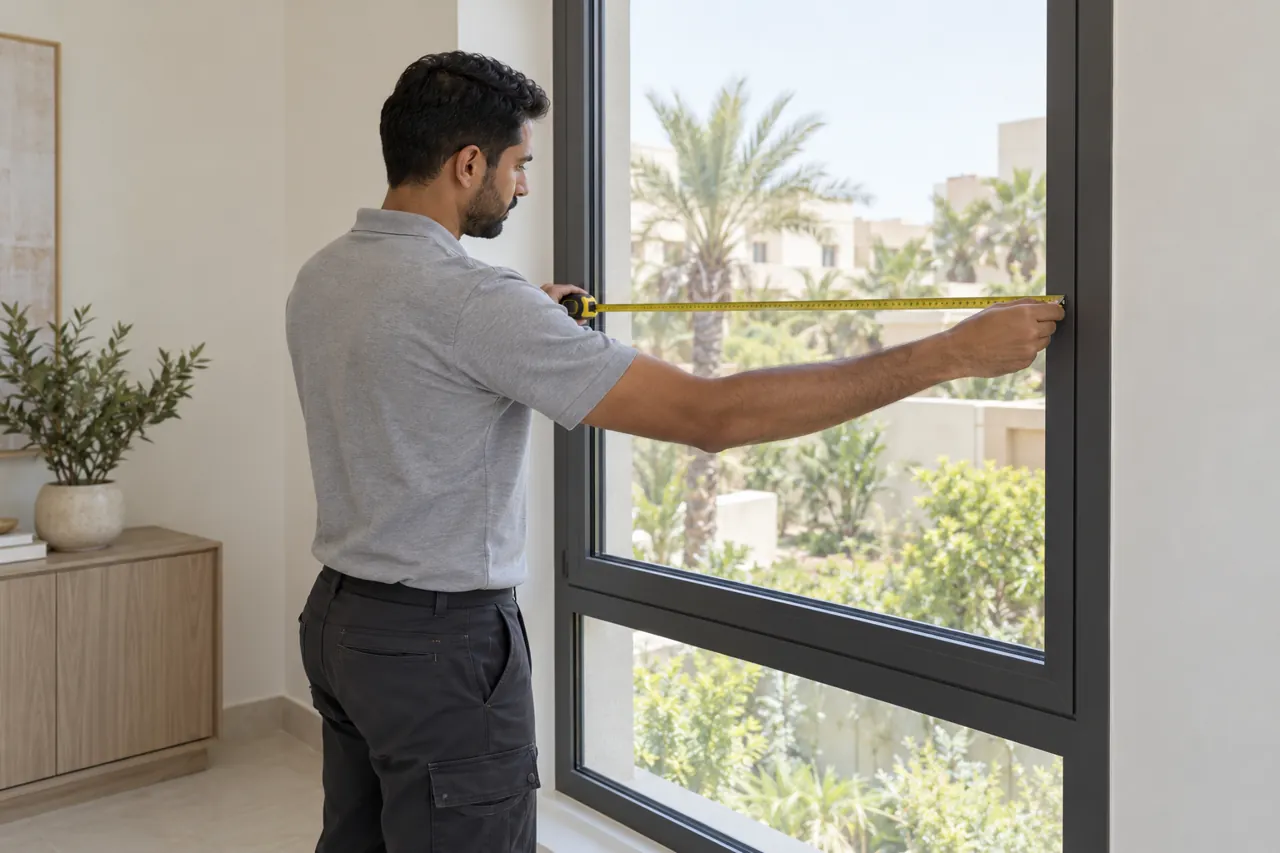
Technician measuring a home window from inside the room
Pane dimensions and frame access help define the installation.
Check compatibility first

Choose film that suits your glass

Double glazing, laminated glass, tinted glass and low-emissivity coatings need the right film selection. A product suitable for one pane should not be assumed suitable for every window in the property.

  • Identify the glazing Share any window specification or supplier record you have. Photos help, but they do not always identify a coating or glass construction.
  • Review condition Existing cracks, damaged edges, failed glazing seals or loose frames need separate attention. Film is not a repair for those problems.
  • Check exposure Direct sun, partial shade, pane size and the surrounding frame affect the assessment.
  • Confirm the application face Interior and exterior products have different uses and installation requirements.

A manufacturer compatibility review may be needed before a film is recommended. This is particularly important where the glass specification is uncertain or the installation could affect an existing glazing warranty.

Have double glazing or an existing coating?

Send the glass specification if you have it. If not, start with a clear photo and we can discuss the next check.

Ask about my glass
Privacy without surprises

Choose privacy for the hours you need it

Reflective film does not provide dependable one-way privacy in every lighting condition. Check how the window will be used in the evening before choosing it for a bedroom or family living space.

Brighter outside

Daytime screening

When it is brighter outside, a reflective finish can make the indoor view harder to see. The effect still depends on the chosen film, surrounding light and viewing angle.

Check the exterior appearance too. A strong mirror finish may be different from what you want on a villa façade or what a building allows.

Brighter inside

Evening privacy

When the room is brightly lit and outside is dark, people may be able to see through reflective glass. Keep curtains or blinds where privacy is needed at night.

Frosted coverage obscures detail in a different way, but close silhouettes and backlighting still need consideration. Approve the coverage from both sides of the pane.

For a ground-floor window, describe who can approach the glass and how close they can stand. For an apartment, identify the neighbouring balcony or tower. Those details make the privacy discussion much more useful than asking only for the darkest available tint.

Tell us when you need privacy

Keep the rooms you love

More comfort without losing your view

A suitable film can make an existing glazed area more useful without replacing the window. It can reduce unwanted solar gain, soften glare or change visibility through selected panes.

The result depends on the film and the home. Roof insulation, air conditioning, air leakage, shading and other windows still influence comfort and energy use.

Keep useful daylight

Compare the proposed visible light transmission rather than assuming every effective heat-control film must be dark. View the sample in your room before choosing.

Reduce UV exposure

Use the exact product specification for UV performance. Film can reduce one contributor to fading, but visible light, heat and the material itself also affect furnishings.

Target the problem panes

You can discuss treating selected windows first. Prioritising the rooms you use most can keep the project focused without assuming a whole-home installation is necessary.

Start with my priority windows
Before an appointment

Installation planned around your home

01

Villas and townhouses

List the affected rooms and floors, including stairwell glazing and high windows. Share access restrictions, furniture close to the glass and whether an exterior installation is being considered.

Large sliding doors need their own measurements. Agree which panels move, how the edges will be finished and whether any fittings obstruct the application area.

02

Apartments

Check building requirements before approving a change to visible glazing. Share any permitted finish, contractor access procedure, lift booking requirement and working-hour restrictions.

An interior installation may be practical for many windows, but product selection still depends on the glass. Exterior work at height needs a separate access assessment.

03

Rented homes

Obtain the owner's or managing agent's permission where required. Agree whether removal will be expected at the end of the tenancy and keep the approved product and coverage on record.

Removable does not mean every film can be peeled off without labour or residue. Discuss removal and restoration expectations before choosing a material.

For all properties, identify pets, fragile objects and areas that must remain accessible. A little preparation helps the team plan the work around the household rather than discovering avoidable access problems on arrival.

From enquiry to handover

Your film, your approval, then fitting

We start with your priorities and the glass. The agreed plan should make clear what is being fitted, where it goes and how the work will be carried out in an occupied home.

Installation time is separate from drying time. Pane count, access, removal and the selected product determine the appointment length. Ask for the expected schedule once those details are known.

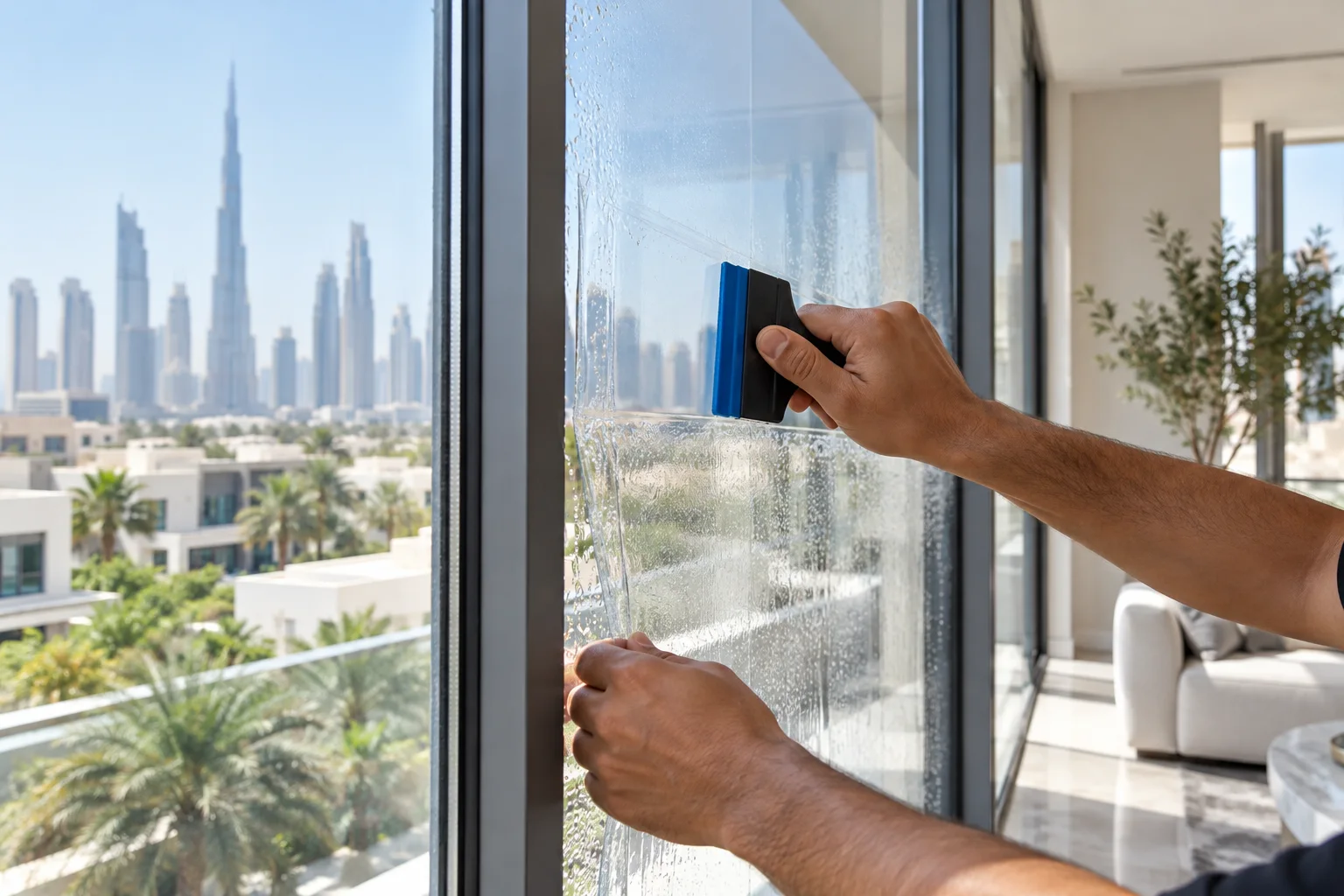
Installer applying clear window film to residential glazing
Preparation and controlled application are part of fitting film to suitable glass.
  1. Discuss and measure

    Share the property area, the rooms involved and photos. Measurements, glazing information and access are checked as needed before a final fitting plan is agreed.

  2. Choose and approve

    Review the proposed film, appearance, product data and quotation. Confirm treated panes, any removal work and the practical arrangements before materials are fitted.

  3. Prepare and apply

    Protect adjacent surfaces, clean the glass and prepare the selected material. The installer uses suitable application tools and checks the edges and any agreed joins.

  4. Review and care

    Review the finished work and receive the product's drying and cleaning guidance. Keep the quotation, invoice and applicable warranty information together for future support.

Know the plan before the visit

Agree the panes, finish, access and expected working time. Tell us if a room needs to remain usable while work is planned.

Discuss fitting arrangements
Details that affect the finish

A finish you are happy to live with

Good access and a clean surface matter as much as the chosen film. Preparation must suit the glass and any coating already present. Aggressive scraping is not appropriate for every surface.

Measuring tools, suitable cutting equipment, clean application solution and window-film squeegees support accurate fitting. The technique is selected for architectural glass, rather than assuming a car-window method is appropriate.

Ask how unusually wide panes will be handled. Film roll width, glass dimensions and the approved layout determine whether a join is needed. Any visible join or partial coverage should be discussed before work begins.

Your sample review

See it before you choose it

  • Look through it from your normal seat or working position.
  • Check the colour beside untreated glass.
  • Consider interior and exterior reflection.
  • Review daylight and evening privacy separately.
  • Confirm full-pane, banded or partial coverage.
  • Keep the exact product name with the quotation.

A small sample helps you judge appearance. It does not reproduce a whole room's temperature or prove an annual electricity saving.

Discuss the finish I want
Existing film and future care

Replacing old tint or planning ahead?

Already have film?

Replacing old film

Tell us if the window already has film, bubbling, discolouration or lifting edges. The existing layer and adhesive need assessment before replacement is priced.

Removal may reveal scratches or defects that were already present. Glass repairs, failed sealed units and frame repairs are separate from a film installation.

Ask about old-film removal
After fitting

Allowing the film to dry

Some moisture-related haze can remain after wet application. Follow the selected product's drying guidance rather than pressing the film or trying to remove marks yourself.

Report a persistent concern with a clear photograph and the pane location. A crease, edge lift and temporary drying haze are different observations and need different responses.

Keep your paperwork

Cleaning and support

Wait until cleaning is permitted, then use the recommended non-abrasive method and a soft, clean cloth. Avoid picking at edges or using blades on the finished film.

Warranty duration and coverage depend on the selected product and terms. Ask who provides cover, what defects are included and whether labour or glass-related claims are covered.

Make a comparable decision

Make the right choice, not just the cheapest

When comparing quotations, make sure they cover the same panes and installation side. A lower total may exclude removal, use a different film or omit access equipment. Ask for those differences to be explained before choosing on price alone.

Keep appearance and performance separate. A darker sample does not automatically mean better heat control, and a high infrared figure is not the same as total solar energy rejection. Ask which glass and test conditions support the proposed product data.

Your enquiry checklist

Give every window a clear brief

Number the windows in your photos and match those numbers to the quotation. Note the room, approximate size and requested finish. This makes it easier to confirm that an overlooked bathroom pane or a large sliding door has been included.

If you plan to complete the home in stages, record the exact product used in the first stage. Later matching depends on product availability, glass differences and the condition of the existing installation. Discuss those limits before assuming a later pane will look identical.

For a managed building, retain the approved sample or written finish specification with the job records. It helps everyone check that the fitted material corresponds to the agreed appearance, instead of relying on a colour name that different suppliers may use differently.

Request an itemised quotation

Before you enquire

A few answers before you decide

Can you tint only one room?

Selected rooms or panes can be assessed. Share the glass dimensions and your main concern. The quote will explain any minimum job charge or other cost that affects a small installation.

Will my home become too dark?

That depends on the selected film and existing daylight. Compare visible light transmission and a sample in the room. A shaded room and a bright sun-facing room may need different choices.

Can film be applied to double-glazed windows?

Suitable products can be used on some double-glazed systems, but compatibility must be checked. Share the glazing specification if available. Glass construction, coatings, condition and manufacturer guidance determine the recommendation.

Does tint replace curtains at night?

Reflective tint should not be relied on for privacy when the room is brighter than outdoors. Keep curtains or blinds where nighttime privacy matters. Frosted coverage is another option when retaining a clear view is not required.

Can you guarantee lower electricity bills?

No fixed saving can be promised from a film choice alone. Solar-control film can reduce heat entering through suitable glazing, but energy use also depends on the building, air conditioning, shading and household behaviour.

Do I need exact sizes before contacting you?

No. Photos, approximate pane sizes and the property area are enough to start a discussion. Final dimensions and suitability may need an on-site check before the material and price are confirmed.

Tell us which window bothers you

Send a photo. Start with one room.

Send your Dubai area, window photos and the main issue—heat, glare or privacy. Add approximate sizes if you have them. We can discuss suitable options and what is needed for a home installation quote.

You can start with one room. Choose the film and approve the work after the glass, appearance and price have been considered together.

Tell us these three things
  • Your Dubai area
  • The room or windows
  • Heat, glare or privacy

Technical background on suitability is available in LLumar's architectural film guidance and 3M's explanation of thermal stress. Product guidance does not mean every listed film is stocked or suitable for your glass.