The view comes first
Ask to compare a high-light-transmission sample on your actual glass, with curtains open and your usual indoor lights on.

Your view matters. So does your comfort.
Keep the view you chose your home for. Explore solar-control film for bright rooms that feel too hot beside the glass.
Discuss 3M Prestige options with Car Tinting Heroes. Start with your room, window photos and daylight preference, then confirm the exact product, glazing suitability and fitted price before booking.
Survey-led quote · Exact film code in writing · Daylight and comfort considered together
Choose the result before the shade
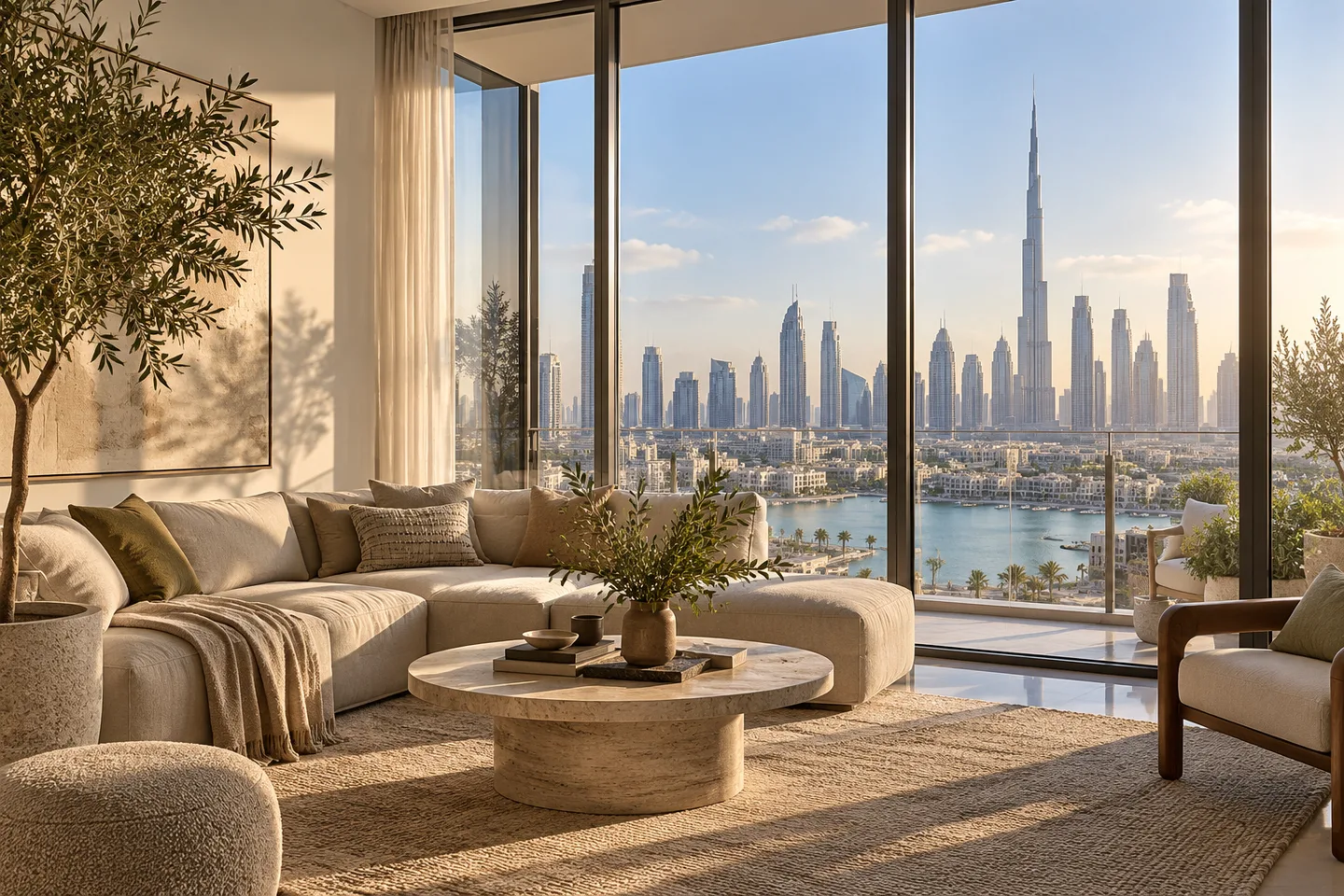
Your problem may be a sunlit sofa, afternoon glare on a monitor or a dining area that feels uncomfortable despite the AC. Those are different decisions, even when they happen in the same home.
Tell us where you sit and when the discomfort starts. A useful recommendation connects the glass, the sunlight and the way you use the space. Simply selecting the darkest film can leave you with a room that feels dim without answering your main concern.
Ask to compare a high-light-transmission sample on your actual glass, with curtains open and your usual indoor lights on.
Send the room orientation and hottest time of day. Ask for whole-window solar data rather than an isolated infrared headline.
Show the desk position and the reflection you see. Review glare and daylight together before choosing a stronger shade.
Price with a defined scope
Prestige pricing needs the exact film code, measured glass area and access details. A price for an unnamed “premium film” is difficult to compare with a quote that identifies a specific branded product.
Request the available Prestige product and an itemised installed price for your property. Confirm whether the estimate includes preparation, fitting, access and applicable VAT before comparing totals. If your priority is one uncomfortable room, request that room separately from the rest of the home.
For an initial enquiry, approximate sizes are useful. Final dimensions, glass identification and any access arrangements need checking before an installation price is agreed.
Know what is going on your glass
The manufacturer reference on this page is 3M Sun Control Window Film Prestige Series. The name alone does not establish the product offered for your project, its availability or an installer’s authorisation.
3M describes Prestige as a non-metalised solar-control range with low reflectivity. Its reference table lists 99.9% UV rejection. UV protection helps address one cause of fading, but it does not make furnishings fade-proof or guarantee an unchanged view.
Ask for a written manufacturer and product code that matches the proposed sample. Interior Prestige, exterior Prestige and safety-film products should not be treated as interchangeable names.
If an alternative brand is offered, request its own technical sheet and warranty. Compare it as a separate choice, with a clear explanation of why it suits your glass and budget.
The quotation, supplied material information and handover record should describe the same product. Keep those documents with the invoice so a future query can be traced to what was fitted.
A brand logo or a “nano” description is not a complete specification. Ask which performance figures apply to the exact film-and-glass combination being recommended.
Ask who supplies the film, who installs it and who handles a warranty enquiry in the UAE. Request any claimed manufacturer authorisation in writing before relying on it.
Confirm the available PR options, installer credentials and applicable warranty with your quotation. Keep that confirmation before you arrange access or pay for the installation.
Read the trade-off
Use the manufacturer reference below to start a sample conversation. A product number is not the measured light transmission of every window.
| Film | Visible light transmitted | Total solar energy rejected | Glare reduction |
|---|---|---|---|
| PR70 | 69% | 50% | 22% |
| PR60 | 60% | 53% | 32% |
| PR50 | 50% | 56% | 44% |
| PR40 | 39% | 60% | 55% |
Source 3M Prestige Series technical brochure, revision July 2024. Solar rejection is at normal incidence. Figures describe the stated glass system, not guaranteed room temperatures or local stock.
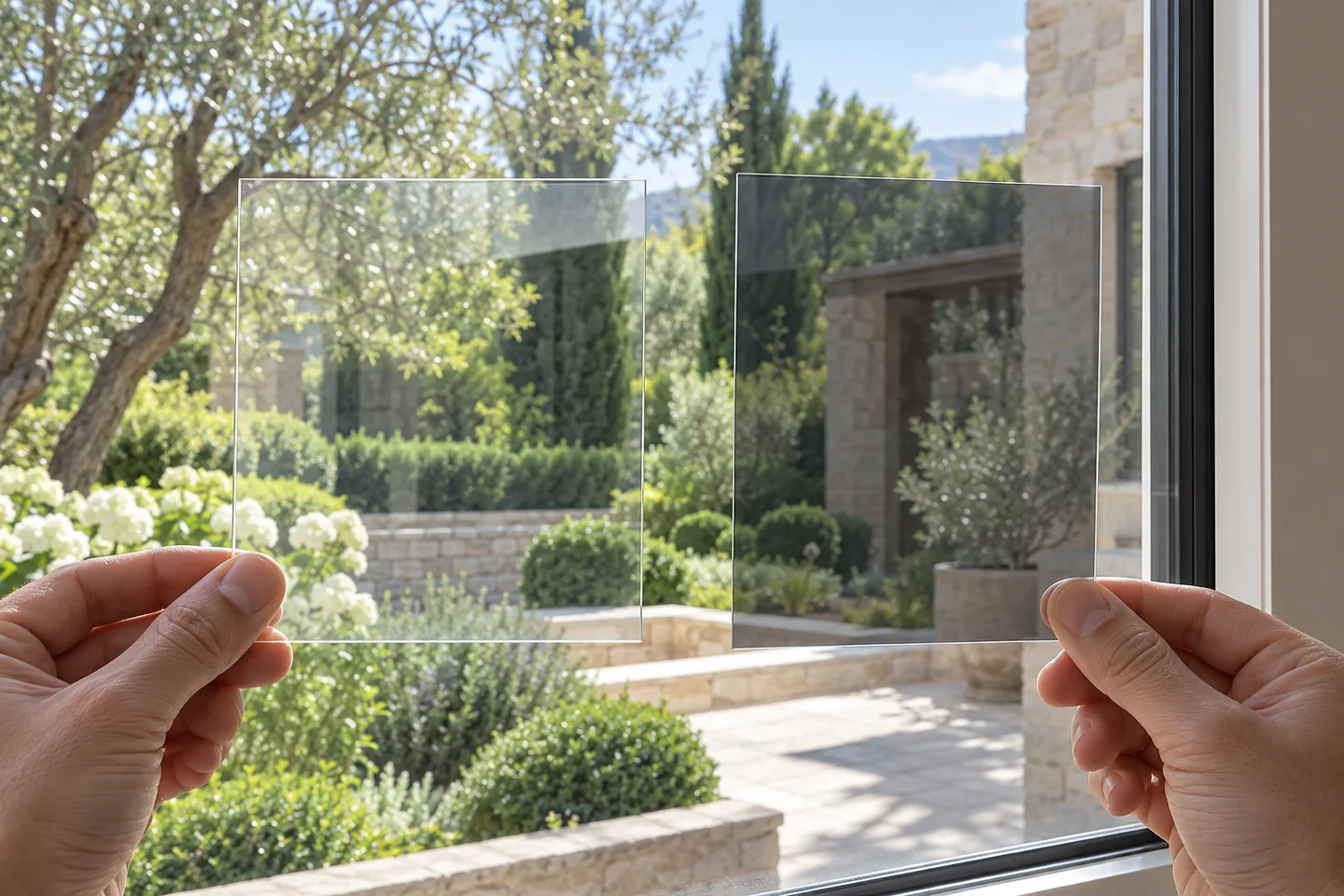
Higher visible light transmission favours a brighter appearance. Compare samples from your usual seating position, not just with a small piece held against a white wall.
Total solar energy rejection is a broader comparison than a narrow-band infrared percentage. Ask for test conditions whenever two quotations use different performance claims.
Existing tint, multiple panes and coatings matter. Do not transfer a clear single-pane figure directly to a coated apartment window.
Approve the look where you live
A sample looks different against a bright sky, a shaded balcony and a softly lit interior. Review it at the window you actually use, ideally when the original problem is noticeable.
Check the view from the sofa, dining chair or desk. Look at colour, reflection and the brightness of the room together.
Compare the sample during your strongest sun or screen-glare period. A cloudy morning may not show the issue you want to solve.
Check evening appearance with your normal lamps. Clear solar-control film is not a substitute for curtains or dedicated privacy coverage.
If you rent, also confirm approval for a visible change to the glazing. Keep the agreed sample and product code recorded with the quote.
Treat the room that matters most
You do not have to make every window identical to begin the conversation. Explain the priorities in each room, then ask which windows need the same appearance and which can be assessed separately.
Share a wide photo showing the glazing, seating and curtains. Mention whether discomfort is close to the window or across the room, and whether the AC is already running.
Request a sample that preserves the light you enjoy. If a whole glazed wall needs a consistent finish, have adjacent panes included in the appearance review.
Send the room photo and hottest time.Photograph the screen reflection from your working position. Explain whether direct sun reaches the monitor or whether the bright window sits in your line of sight.
Ask to balance shading with the light needed for reading and video calls. Moving the desk or adjusting a blind may remain useful alongside film.
Send the desk position and glare photo.Tell us whether the room gets morning sun or stays uncomfortable later in the day. Include the usual curtain arrangement and whether privacy matters when the lights are on.
Choose solar control for the daylight hours. Plan blinds or curtains separately if you need darkness for sleep or dependable night-time privacy.
Share your daylight and sleep priorities.Send a full-height photo, including the floor and nearby furniture. A close-up alone cannot show whether a landing, stairwell or fixed cabinet restricts safe access.
Ask how wide panes, handles, opening sections and adjoining glass will be finished. Confirm any access equipment or building arrangements in the quote.
Show the entire window and its surroundings.The glass decides suitability
Do not approve fitting from a room photograph alone. The proposed film must be assessed for your window construction and condition. If you have a glazing schedule, developer specification or previous window invoice, include it with the enquiry.
Ask the surveyor to identify the glazing build-up and coating position before recommending a product or application side. “Double glazed” is useful information, but it is not a complete compatibility assessment.
Confirm whether additional manufacturer guidance is needed and whether the existing window warranty has any conditions concerning aftermarket film.
Flag existing glass tint, laminated construction, decorative surfaces, roof glazing and any film already present. Include close photographs of markings where they are visible.
Ask for a separate recommendation if different window types occur in the same home. One product choice need not automatically apply to every pane.
Point out chips, cracks, misting between panes, damaged seals and areas shaded by fixed structures. These details belong in the assessment before the final specification is accepted.
Film is not a repair for defective glazing. Ask whether any existing window issue should be resolved first, and have exclusions written into the scope.
3M’s Prestige 70 technical sheet requires evaluation of product suitability for the application. Published performance tables do not approve every individual window.
From enquiry to an agreed installation
Use the first conversation to narrow the choice, not to guess a product from a photograph. Tell us your Dubai area, property type, room priorities and any timing restrictions.
Send window count, approximate width and height, wide room photos and your main concern. Mention existing film and whether you are the owner or tenant.
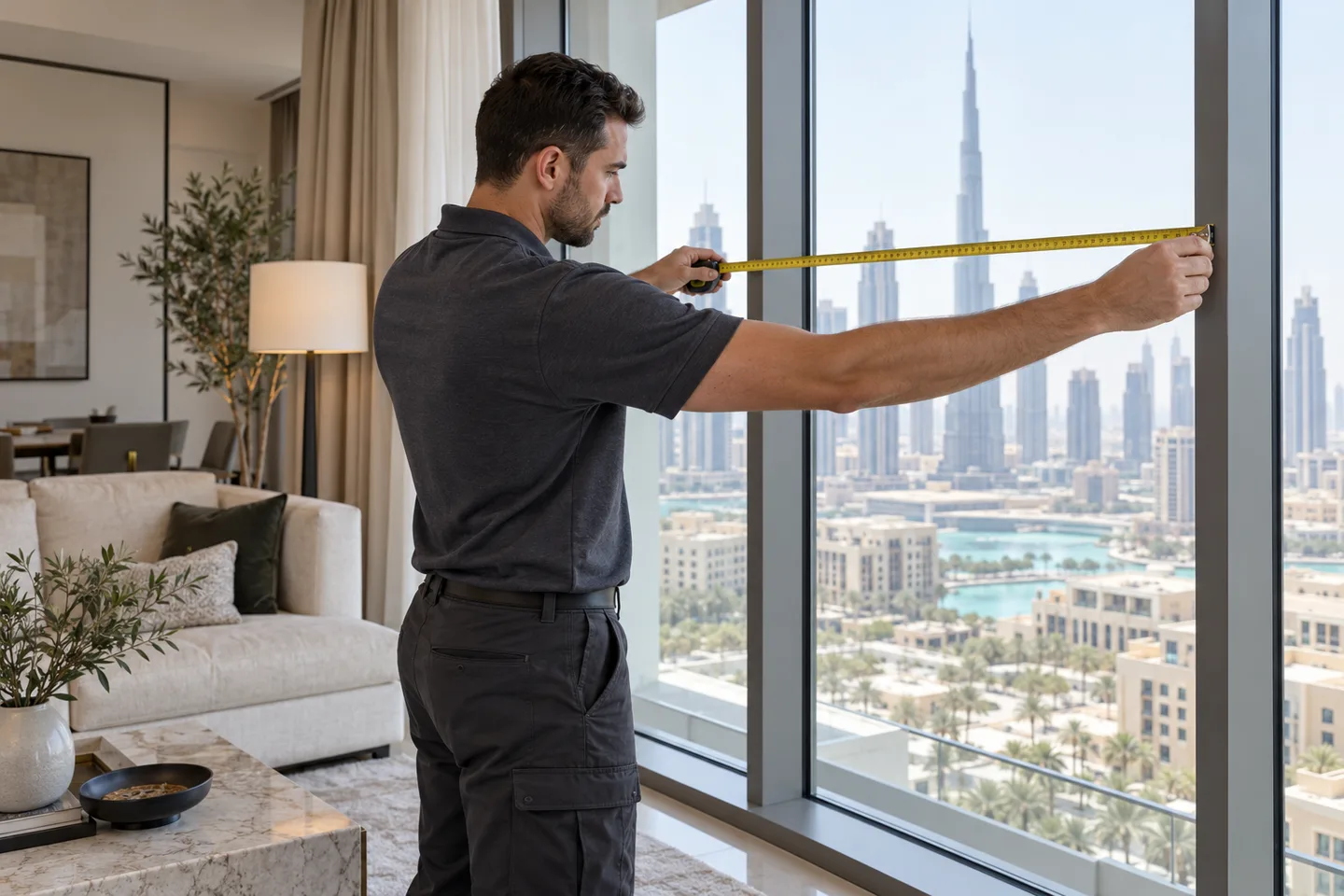
Confirm survey availability, any fee and what the visit will cover. Ask for glass identification, measurements, access review and sample discussion where applicable.
Review the code, price, application side, exclusions and warranty before scheduling. Ask when material can be supplied and how much room access is required.
Confirm furniture clearance, curtain access, building entry and protection of nearby surfaces. Have children and pets kept away from the immediate work area.
Confidence after fitting
The final conversation should cover what was fitted, how to care for it and who to contact if something concerns you.
Check that the agreed rooms and panes have been completed. Keep the invoice, product identification and any photographs agreed for the job record.
Ask the installer to explain the expected drying appearance and when the finish should be reviewed. Raise concerns before trying to press, lift or alter the film yourself.
Get the cleaning start date and recommended method for the exact film. Use the approved soft materials and avoid scraping the filmed surface.
Share the care instructions with cleaners or maintenance staff. Let them know which side of each window is filmed so routine cleaning does not damage the finish.
Ask what covers the material and what covers workmanship, including duration, exclusions and the claim contact. Clarify whether removal and refitting labour are included.
Do not assume that an overseas warranty term applies in the UAE. Glass breakage, seal failure, accidental damage and film defects need their own written clarification.
Answers before you enquire
3M manufactures the Prestige Series referenced in the technical comparison above. Ask for the full manufacturer and product code on your quotation. A generic Prestige label does not, by itself, verify which material will be supplied or establish installer authorisation.
No film should be promised as an invisible change under every lighting condition. Review a sample for brightness, colour and reflections on your glass. Choose the result you prefer from inside the room and check any requirements for the building’s external appearance.
Do not choose clear solar-control film for dependable night-time privacy. When privacy is the main concern, discuss curtains, blinds or a dedicated privacy finish. Our residential frosted-film page covers options where obscuring the view is an acceptable trade-off. Explore home frosted film.
A fixed saving should not be promised from a film specification alone. AC usage, existing glazing, shading and the rest of the building affect consumption. If savings are central to your decision, ask what project-specific assessment can support the estimate.
That needs a glazing assessment. Send any available glass specification and ask for the proposed film to be checked against it. Confirm building permission and existing window-warranty conditions before approving installation.
Ask for a room-by-room proposal. Different priorities may justify different options, but adjoining panes and the external appearance still need consideration. Record the room, product code and coverage in the quotation so the final scope is unambiguous.
Do not treat a solar-control product as a specified safety or security system. If fragment retention is part of your requirement, raise it at the start and request a separately documented recommendation for the glass, film and attachment system where relevant.
Confirm availability after the product, measurements and access have been assessed. Window count, preparation, existing-film removal and building entry can change the schedule. Ask for the expected work period and drying guidance before arranging your day around the visit.
Discuss removal with the installer before choosing a product, particularly in a rented home. Ask how adhesive residue, existing coatings and access would be handled, and whether removal is included or separately chargeable. Avoid assuming that any future removal will be cost-free.
Ask whether a documented local installation is available to review. Request the product code, glass type and scope, with the customer’s permission for any shared photographs. These details help you compare a relevant project with your own windows.
Bring the room. We can discuss the options.
A cooler dining corner, a clearer working view or less afternoon discomfort is a better starting point than a product percentage alone. Share the room and the problem you want the quotation to address.
Contact Car Tinting Heroes about Prestige film for your Dubai home. Ask for the exact product, a glazing check and an itemised installation scope before committing.