Ever had your car tint rejected during inspection and wondered what rule you actually broke? Dubai’s RTA tint rules are stricter than most think, and one small mistake like exceeding the 50% VLT limit or tinting the front windshield, can cost you up to AED 1,500 or even get your vehicle impounded. This blog helps you understand why rejections happen, what steps to take immediately, and how to choose RTA-compliant tint that won’t fail inspection again. From legal tint types to tint removal services, we cover everything you need to avoid repeated fines and wasted trips to the testing center.
Why RTA Might Reject Your Window Tint
You passed every checkpoint engine, tyres, brakes and then suddenly, your car tint gets flagged. Why? What seems like a harmless shade upgrade could actually be a violation of RTA tint rules, and if you’re in Dubai, that’s not something to take lightly. A failed tint check does not just stall your registration, it can lead to fines up to AED 1,500 or even car impoundment if ignored. Let’s break down the real reasons RTA might reject your tint:
- Tint Too Dark (Under 50% VLT)
If your tint blocks more than 50% of visible light, it is illegal for private vehicles. Many car owners unknowingly install 35% VLT thinking it looks “premium,” but RTA does not go by looks, they go by meter readings. - Front Windshield Tinting
No tint is allowed on the front windshield, even if it’s just a thin strip, unless you have an approved medical exemption. Most first-time rejections happen due to this single oversight. - Reflective or Mirror Film
If your tint reflects sunlight or looks like a mirror from the outside, it will get rejected immediately. These mirror-effect tints may be popular online but they’re banned for safety and visibility concerns. - Non-Compliant Materials
DIY tints or films from uncertified sellers can fail, even if they claim to be “legal.” Low-grade materials often degrade faster or distort light, something RTA checks during inspections. - Poor Installation or Bubbles
Even a legal tint can get rejected if it has bubbles, peeling corners, or reduces visibility. RTA doesn’t just inspect the type of tint, they assess how well it’s applied.
Just because your tint looked okay doesn’t mean it passed the RTA tint rules. The RTA uses digital light meters and strict legal limits, not guesses or assumptions. If you’ve been rejected once, don’t roll the dice again. Contact us today, we’ll help you check your tint, stay compliant, and avoid costly retests or fines.
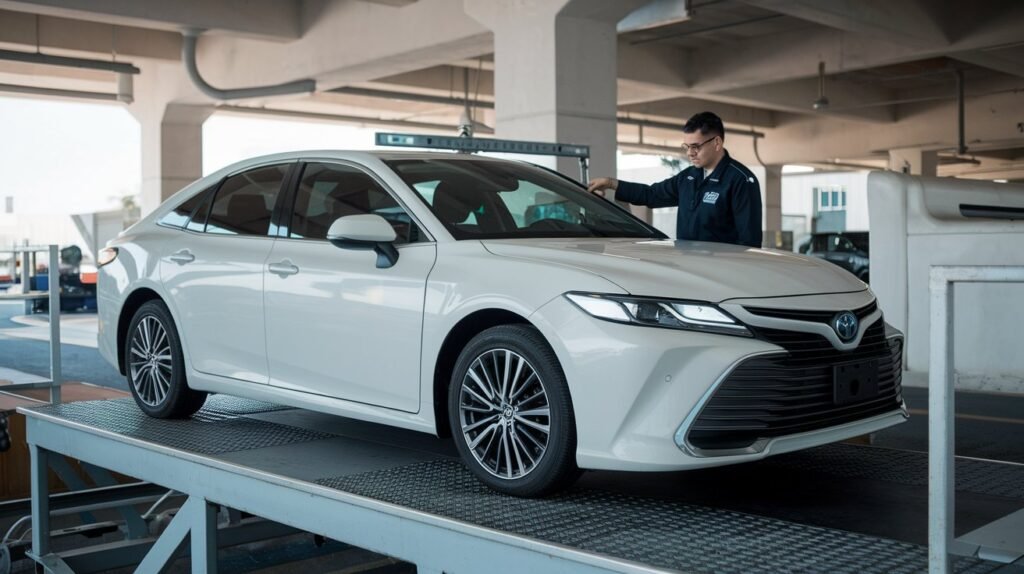
Check the Exact Reason for Rejection (Your First Step)
So, the RTA gave you that red slip. You’re annoyed, maybe confused, probably both. But before you rip the tint off in frustration, pause. You need to know exactly why your car tint was rejected. Guesswork will only waste more time and possibly money. Here’s how to get clarity:
- Read the Inspection Report Carefully
Whether you failed at Tasjeel, Wasel, or another RTA test center, the inspector should’ve handed you a vehicle inspection report. Look under the visual check or body condition section, if tint is flagged, it’s usually noted as “window film exceeds legal limit” or “non-compliant tint on front glass.” - Log into the RTA App or Portal
If you misplaced the paper, use your vehicle testing history on the RTA Dubai app or the RTA website. Navigate to the vehicle services section, enter your plate number, and check for test results. You’ll often find coded rejection reasons and inspection comments there. - Ask the Inspector (If Still on Site)
If you’re still at the test center, ask directly. Some rejections aren’t about the film darkness, they might be due to bubbles, poor installation, or wrong placement. A two-minute chat can save hours of unnecessary fixes. - Double Check VLT Levels
Still confused? Have the tint scanned at a shop that uses a Visible Light Transmission (VLT) meter. Legal limit is 50% or more light allowed through. If yours falls short, that’s likely the culprit.
This step matters. Removing the wrong film or reapplying another illegal tint will only get you rejected again. You don’t want to be that person who visits the testing bay twice in the same week. Know the exact issue, then fix it right.
Can You Still Drive the Car with a Rejected Tint?
You failed the test. You’re annoyed. Maybe you think, “It’s just tint. I’ll sort it out next week.”
But hold on, driving around Dubai with an RTA-rejected tint is not as harmless as it feels. It can turn into a legal and financial headache faster than you think. Here’s the deal:
- Yes, You Can Drive But It’s Risky
There’s no immediate ban on driving after a failed inspection. But if you’re stopped at a police checkpoint and they see the same non-compliant tint, you’re looking at a fine of AED 1,500, potential vehicle impoundment, and black points on your license. - Insurance May Not Cover You
If your tint is illegal and you get into an accident, some insurers may push back during claims. Why? Because you’re driving a non-compliant vehicle. That alone can weaken your case if the accident involves visibility or liability questions. - It’s a Red Flag in the RTA System
Failed tint stays in your testing history. If you show up for reinspection without correcting it, they’ll flag the vehicle again and repeated failures can affect registration renewal or delay any vehicle transfers. - It’s Not Worth Delaying Repairs
If your tint was rejected due to mirror film, under-50% VLT, or tint on the windshield, don’t wait. Driving around hoping no one notices is a gamble and fines in Dubai aren’t cheap.
Look, we get it. Fixing tint often feels low-priority, especially when the car still drives fine. But in Dubai, the RTA doesn’t issue warnings, they issue fines. If your tint was flagged once, don’t roll the dice again. That’s where our 3M FX ST 5 tinting, compliant with RTA regulations, makes the difference. With professional application, you can skip the inconvenience of retesting and drive with confidence.

What Happens If You Ignore the Rejection?
Failing your RTA tint inspection is serious and ignoring it can lead to bigger problems than just a warning. Driving with illegal car tint in Dubai comes with real consequences that affect your wallet and your vehicle’s legal status. Here is what you risk when you do not fix rejected tint:
- Fines up to AED 1,500
Police can stop you and issue a hefty fine for non-compliant tint. This is a standard penalty under Dubai’s RTA tint rules. The fine does not go away until the tint is corrected and passed inspection. - Vehicle Impoundment
If the tint is too dark, reflective, or illegally applied on the front windshield, authorities can impound your car immediately. Getting it back means paying impound fees on top of fines. - Failed Vehicle Registration Renewal
The RTA system tracks failed inspections. If you do not remove illegal tint and pass a retest, your vehicle registration can be refused. That means you cannot legally drive your car until it complies. - Insurance Issues
In case of an accident, your insurance company might deny or reduce your claim because your vehicle had an illegal tint. Driving with a rejected tint could void your coverage, especially if visibility was a factor. - Extra Costs for Removal and Re-inspection
Fixing rejected tint late often means paying more, for tint removal, professional reinstallation, and multiple RTA tests. These costs add up quickly if you delay action.
Ignoring the rejection is not a risk worth taking. Following RTA tint rules protects you from fines, legal troubles, and unexpected expenses.
How to Choose the Right Tint That Meets RTA Standards
Picking the correct tint for your car is more than just style, it’s about staying within Dubai’s RTA tint rules and avoiding future headaches. If your previous tint was rejected, this is your chance to get it right. Here’s what you need to consider when choosing a legal tint:
- Check the Visible Light Transmission (VLT)
The legal limit for side and rear windows is 50% VLT or higher. That means your tint must allow at least half the light to pass through. Anything darker risks rejection. - Avoid Reflective or Mirror Films
These types of tints are banned because they affect visibility and can blind other drivers. Stick to ceramic, carbon, or dyed films, which comply with RTA requirements and offer good heat rejection. - Confirm RTA Compliance Before Installation
Always ask your installer for proof that the tint meets RTA standards. A reputable workshop should provide a VLT certificate or testing report to back their work. - Consider Professional Installation
Proper application is just as important as choosing the right film. Poor installation can cause bubbles, peeling, or uneven tinting, all reasons for rejection. Choose experienced technicians familiar with Dubai’s tint regulations.
Ready to make the switch? Book a consultation with experts who specialize in RTA-approved tint installation. Protect your investment, stay legal, and drive with peace of mind.
How to Apply for a Tint Exemption in Dubai (If You Qualify)
Sometimes, standard RTA tint rules just don’t fit everyone’s needs. Whether it’s a medical condition or a special permit, you might qualify for an official tint exemption that lets you use darker films legally. Here’s how to apply for a tint exemption step by step:
- Check If You Qualify
Medical conditions affecting the skin or eyes often qualify. VIPs and government officials may also get special permits. Be sure your reason aligns with RTA exemption criteria. - Gather Required Documents
You will need a medical report from a licensed doctor explaining why darker tint is necessary. For VIPs, official letters or permits may be required. - Visit the RTA Customer Happiness Center
Head to an RTA center in person to submit your application and documents. Staff will guide you through the process. - Wait for Approval
The RTA usually takes about 5 to 7 working days to review and approve tint exemption requests. You will be notified via SMS or email once approved. - Keep the Exemption Proof in Your Vehicle
Always carry the exemption certificate or approval when driving, so you can present it if asked during inspections or police checks.
Applying for an exemption is a straightforward process but it requires official approval. If you think you might qualify, start early to avoid rejection during your next vehicle test. Need help with the application or looking for RTA-compliant tint options under exemption rules? Contact experts who know the system well.
Still Unsure? Let Professionals Handle Your Tint Issue
Dealing with a rejected tint can be confusing. The rules are strict, and mistakes can be costly. If you don’t know where to start or what exactly to fix, it’s best to get help from experts who understand RTA tint rules and Dubai’s inspection process. Knowing how the film is installed matters more than most realize — and we break down the entire process step-by-step in our Car Tinting Installation blog to show why doing it right the first time saves you from repeat rejections. Here’s what a professional service will do for you:
- Precise Tint Measurement
Experts use specialized VLT meters to check your tint’s light transmission. This ensures the film meets the legal 50% minimum VLT requirement before installation. - Safe and Complete Tint Removal
Removing a rejected tint yourself can damage your windows. Professionals remove old film carefully without scratching or weakening the glass. - Installation of Approved Films
They only use RTA-approved tint materials such as ceramic or carbon films that pass all regulatory standards. This reduces the risk of future rejection. - Proper Documentation and Support
You receive proof of compliance with the law, including VLT certificates. This documentation helps during registration and police inspections.
Choosing professional help saves you from repeated fines, costly retests and registration delays. If you want a legal tint that stays within Dubai’s strict rules and lasts long, schedule your appointment now with experts who know the system and deliver results right the first time.
Frequently Asked Questions (FAQs) About RTA Tint Rejection in Dubai
Q1: What is the maximum allowed tint darkness on car windows according to RTA?
The RTA mandates a minimum of 50% Visible Light Transmission (VLT) for side and rear windows on private vehicles. This means your tint must let at least half of the outside light pass through. Any film darker than 50% VLT, such as 35% or 20%, will cause rejection during inspection and is illegal under Dubai traffic laws.
Q2: Is it legal to tint the front windshield in Dubai?
No. Tinting the front windshield is not allowed, except for a narrow top strip (sun strip) that complies with RTA limits. Even then, this strip must not interfere with driver visibility and must be RTA-approved. For medical reasons, you may apply for a special exemption, but without approval, any tint on the front windshield leads to inspection failure and fines.
Q3: How can I find out exactly why my tint failed the RTA inspection?
You will receive an inspection report at the testing center indicating the rejection reason, usually stating “tint film exceeds allowed darkness” or “non-approved tint on front window.” If you lose the paper, check your vehicle’s test status through the RTA Dubai app or website under “Vehicle Testing History.” You can also ask the inspector directly at the test center for clarification.
Q4: What penalties do I face if I drive with rejected tint in Dubai?
Driving with illegal tint can lead to a fine of AED 1,500, possible vehicle impoundment, and black points on your license. If caught during police checks or traffic stops, you will be required to remove the tint before continuing to drive. Repeated offenses can result in higher penalties and delay your vehicle’s registration renewal.
Q5: What types of tint films are accepted by the RTA?
Only non-reflective films such as ceramic, carbon, or dyed tints that meet the 50% VLT minimum are allowed. Mirror or reflective tints are banned due to safety concerns. When purchasing, verify that your tint film comes with a valid VLT certification to avoid rejection.
Q6: How long does it take to get a medical exemption for tinting?
After submitting a medical report and application at an RTA Customer Happiness Center, approval usually takes 5 to 7 working days. You will receive an SMS or email confirming the exemption. This exemption allows darker tint than standard limits but must be carried with you while driving.
Q7: What is the safest way to remove rejected tint without damaging my car?
Professional tint removal services use steam or chemical solutions combined with special tools to lift the film carefully. DIY removal can scratch or weaken the glass, leading to expensive repairs. Expect removal to take 1 to 3 hours depending on window size and tint type, with prices in Dubai typically ranging from AED 200 to AED 500.